Iceland Nomad Visa
Iceland's long-term visa for remote workers, which allowed visa-exempt non-Europeans earning ISK 1,000,000 a month from abroad to stay up to 180 days, was repealed in May 2026 and is no longer issued; Nigerians were never eligible.
Status: Iceland repealed its long-term visa for remote workers in May 2026, when the new Visa Act No. 37/2026 took effect.
Last checked 25 October 2026

Photo: Jakub Hałun, CC BY 4.0, via Wikimedia Commons
Iceland nomad visa at a glance
- Official name
- Long-term visa for remote workers (repealed)
- Income needed
- Was ISK 1,000,000 a month (ISK 1,300,000 with a spouse or partner)
- How long
- Was up to 180 days; no longer issued
- Fees
- Was ISK 12,200
- Processing time
- Not applicable
- Family
- Not applicable (programme ended)
- Tax
- Not applicable (programme ended)
- Where to apply
- No longer possible
- Nigerian passport
- Nigerian passport holders need a Schengen visa for Iceland. Iceland's official list sends applications from Abuja and Lagos to the Royal Norwegian Embassy in Nairobi through VFS Global.
Rules change; confirm with the official site before you apply: Directorate of Immigration (Útlendingastofnun), Ísland.is.
Does Iceland still have a digital nomad visa?
No. Iceland's long-term visa for remote workers has ended. On 13 May 2026 the Directorate of Immigration announced that a new Visa Act (No. 37/2026) had moved visa work to the Ministry for Foreign Affairs and repealed the provision on long-term visas, which was the legal basis for the remote worker visa.
The Directorate no longer offers the remote worker visa or its application form. Anyone reading an older guide that describes it as open is looking at out-of-date information.
What was the Iceland remote work visa?
It let people from outside the EEA and EFTA stay in Iceland for up to 180 days while working for a foreign employer or as self-employed with foreign clients. The Directorate's page, now removed, set the income floor at ISK 1,000,000 a month, or ISK 1,300,000 when a spouse or cohabiting partner applied as well. The application fee was ISK 12,200.
One condition matters most to readers here: the visa was only open to nationals who did not need a visa to enter the Schengen Area. Nigerian passport holders need a Schengen visa, so Nigerians were never eligible, even while the scheme ran.
What replaced it?
Iceland now has a short-term residence permit for stays longer than 90 days and up to 180 days, which took effect with rule changes on 8 July 2026. It is not a remote work route. According to the Directorate, it covers only two purposes: visiting a close family member (spouse, parent, child or sibling) for an extended period, or coming as an artist, scientist or athlete. Remote work is not listed.
The permit costs ISK 12,200, a decision can take up to six months, and you cannot hold one more than once in 12 months. People who need a visa, as Nigerians do, may not apply while they are in Iceland.
Can Nigerians work remotely from Iceland now?
Not on a visitor visa, and there is no longer a remote work route at all. A Nigerian visiting Iceland needs a Schengen visa, and that visa is for short visits, not for living there and working.
Iceland has no embassy in Nigeria. Its official list of missions issuing visas names the Royal Norwegian Embassy in Nairobi, Kenya, for applicants in both Abuja and Lagos, with applications handed in at VFS Global. Since May 2026 the Ministry for Foreign Affairs handles visa questions, so confirm the current route with it before you book anything.
What are the realistic alternatives?
If you want to live in Europe while keeping a foreign employer or foreign clients, look at countries that run a remote work or freelance route Nigerians can actually use. Each country page on this site says plainly whether Nigerians can apply. Useful starting points:
- Estonia, Croatia, Spain and Portugal, which have dedicated digital nomad or remote work permits.
- Norway and Germany, which have no nomad visa but do have self-employed and freelance residence permits with strict conditions.
- Georgia, outside the EU, which has its own entry rules for Nigerian passports.
Whichever route you choose, you will normally need a foreign employer or steady clients first. If you are still looking, browse remote jobs open to Nigerian applicants.
What to know if you still plan to visit Iceland
Iceland stays on UTC+0 all year, so it is one hour behind Lagos. A short visit on a Schengen visa is possible, but treat it as a holiday or visit, not a base for remote work. Keep your application honest about the purpose of the trip, because a refusal stays on your Schengen record.
We will update this page if Iceland introduces a new remote work permit. Rules here changed twice in 2026, so check the Directorate of Immigration and the Ministry for Foreign Affairs before making plans.
Official source
Directorate of Immigration (Útlendingastofnun), Ísland.is. We last checked this page against it on 25 October 2026. Visa rules, fees and income thresholds change, sometimes without notice. Confirm every figure with the official site before you apply or pay.
Iceland nomad visa: common questions
Can Nigerians apply for the Iceland digital nomad visa?
When did Iceland's remote work visa end?
Is the new short-term residence permit a nomad visa?
How much income did the old Iceland remote work visa require?
Where do Nigerians apply for an Iceland visa?
Which European countries can Nigerians use instead?
Other nomad visas in Europe
All countries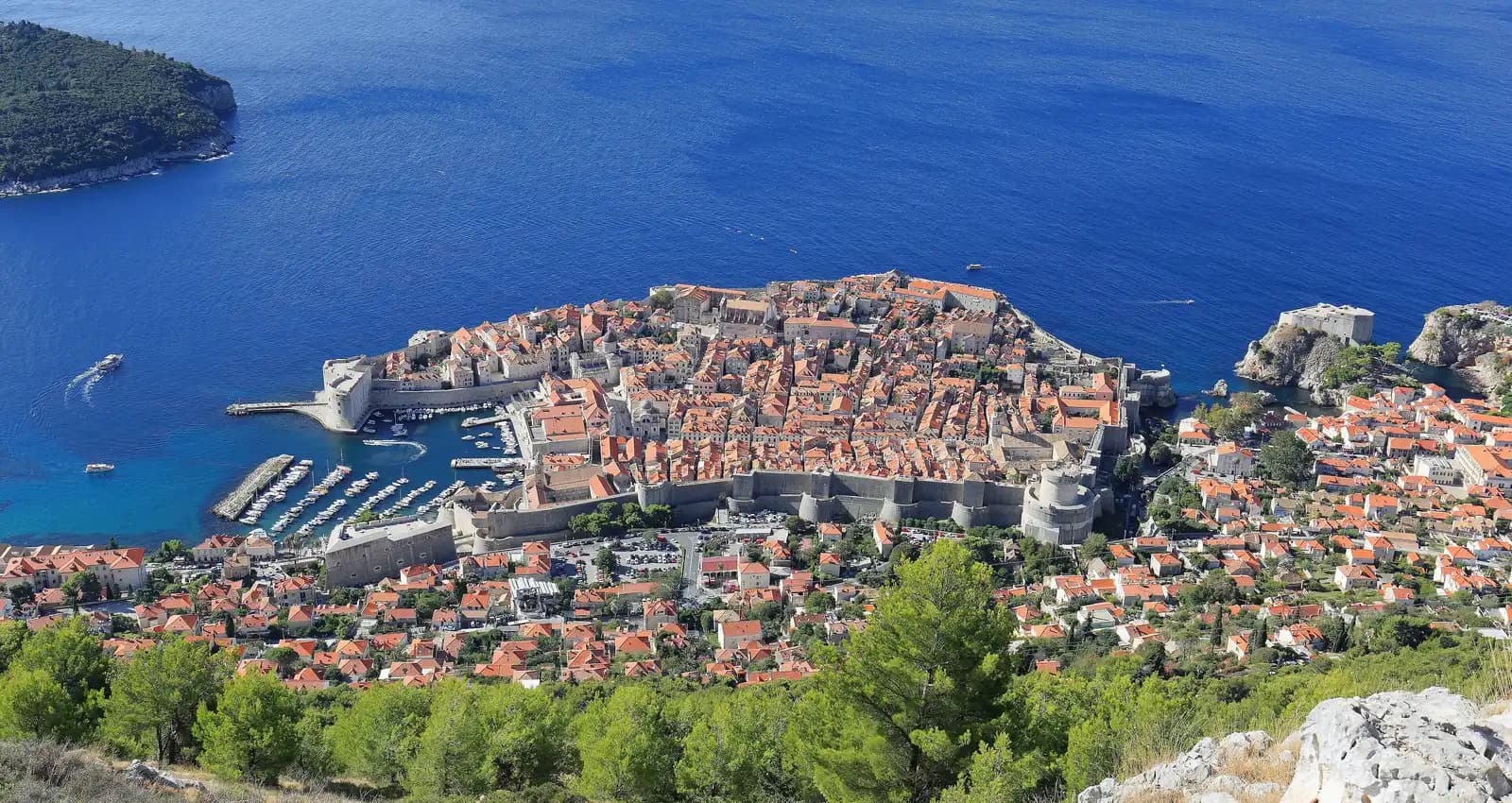
Europe
Croatia Nomad Visa
- Income
- €3,622.50 a month (2.5 × previous year's average net salary), or €43,470 in the bank for 12 months / €65,205 for 18 months; +10% of the average net salary per family member
- Stay
- Up to 18 months; one extension of up to 6 months possible
Europe
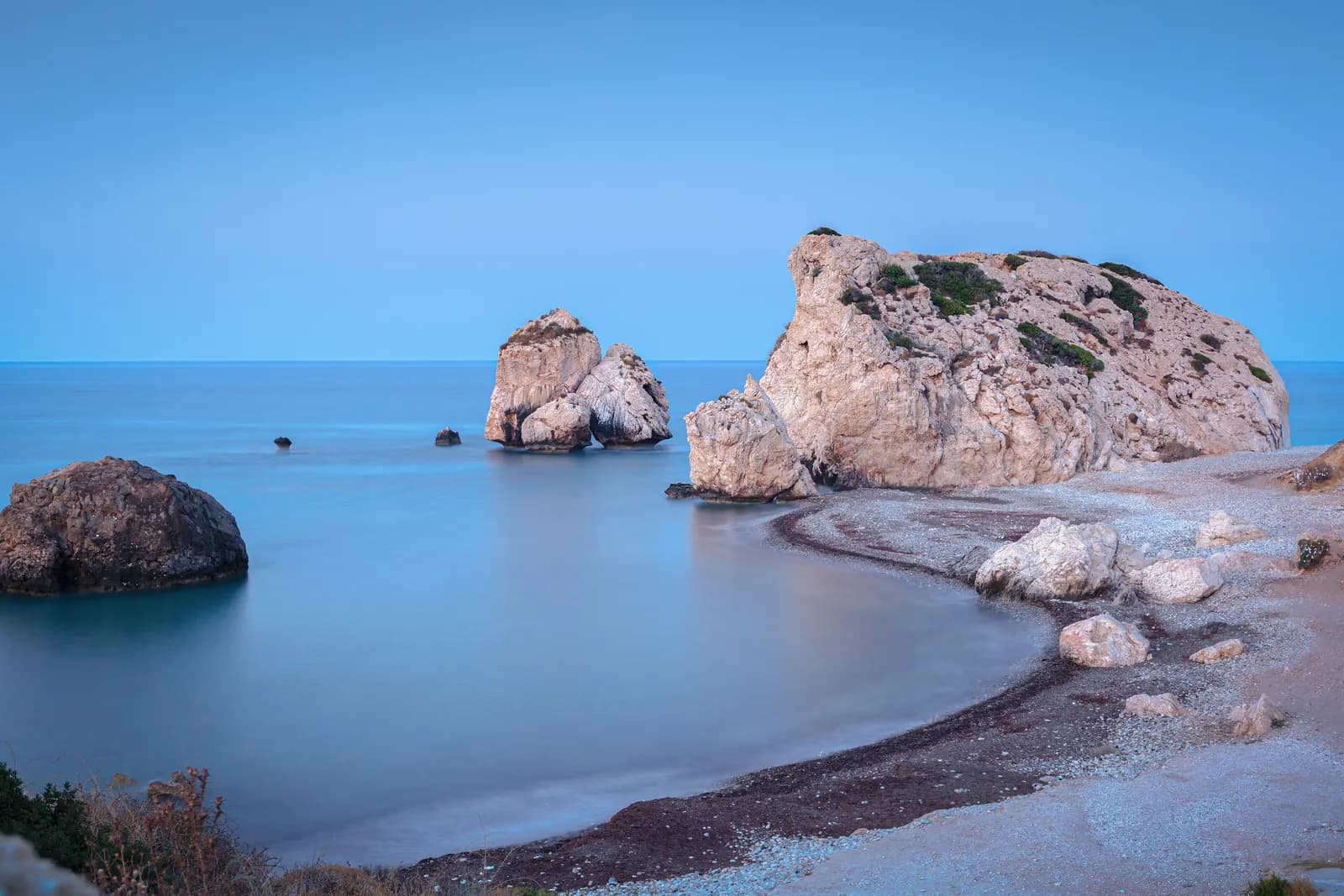
Cyprus Nomad Visa
- Income
- €3,500 a month net, after tax and contributions; +20% for a spouse or partner, +15% per child
- Stay
- 1 year, renewable for up to 2 more years
 Not open to Nigerian passports
Europe
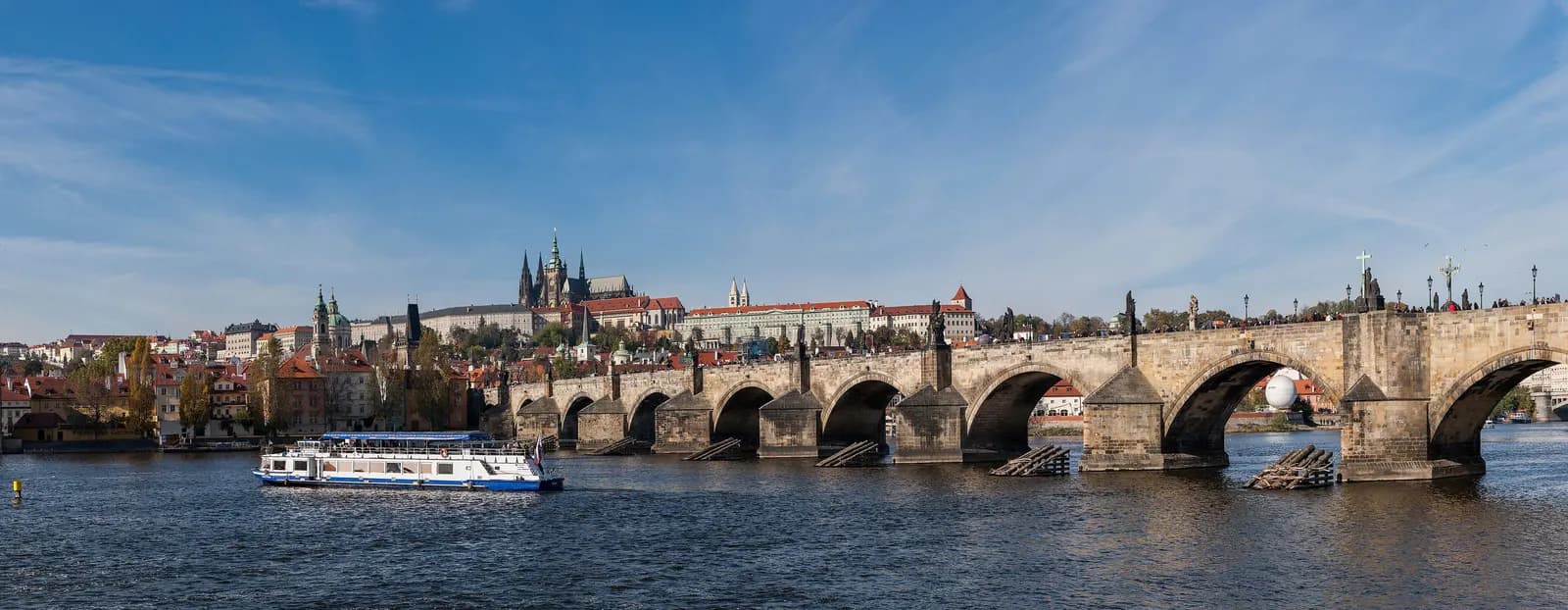
Czechia Nomad Visa
- Income
- 1.5 × the Czech average gross salary set by the Ministry of Labour (no fixed figure on the programme page)
- Stay
- Long-term visa up to 1 year, then a long-term residence permit