Estonia Nomad Visa
Estonia's digital nomad visa is a long-stay D visa for remote workers employed abroad, running a foreign company or freelancing for foreign clients; it allows up to 365 days in Estonia, and the Foreign Ministry currently lists an income of €3,960 a month.
Last checked 25 October 2026

Photo: Hendrik Mändla, CC BY-SA 4.0, via Wikimedia Commons
Estonia nomad visa at a glance
- Official name
- Digital nomad visa (long-stay D visa for teleworking)
- Income needed
- €3,960 a month (€132 a day) per the Foreign Ministry; some government pages still say €4,500
- How long
- Up to 365 days within 12 months
- Fees
- €120
- Processing time
- Usually up to 30 days
- Family
- Yes: spouse and minor children can apply (case by case)
- Tax
- Tax resident after more than 183 days in a 12-month period
- Where to apply
- Nearest Estonian embassy that issues long-stay visas, or the Police and Border Guard Board in Estonia
- Nigerian passport
- Nigerians need a visa for Estonia. In Nigeria, Belgium handles Estonian short-stay visas, but long-stay visas such as the digital nomad visa must be lodged at the nearest Estonian mission that issues visas, with the appointment confirmed in advance.
Rules change; confirm with the official site before you apply: Estonian Ministry of Foreign Affairs.
What is the Estonia digital nomad visa?
Estonia's digital nomad visa is a long-stay (type D) visa issued for the purpose of teleworking. It lets you live in Estonia for up to a year while you keep working remotely for an employer, your own company or clients based outside Estonia.
It is a visa, not a residence permit. It is also separate from Estonia's e-Residency programme, which is a digital identity for running a company online and gives no right to live in or enter Estonia.
Who can apply for the Estonia digital nomad visa?
You can apply if your work does not depend on where you are and you fit one of three profiles listed on the government's e-Residency site:
- You have an active employment contract with an employer registered outside Estonia.
- You own and run a company registered outside Estonia.
- You work as a freelancer or consultant, mostly for clients outside Estonia.
Nationality is not restricted, so Nigerians can apply. The work must already exist before you apply; if you are still looking, our remote jobs board lists roles with foreign employers.
How much income do you need for the Estonia digital nomad visa?
The Foreign Ministry's long-stay visa page currently lists €132 a day, or €3,960 a month, as the financial means required for teleworking. That page cites a 2026 regulation and is the visa authority's own table.
Be aware that Estonia's e-Residency pages, including an FAQ dated March 2026, still give a threshold of €4,500 a month (described as gross on one page and net on another). Because official pages disagree, check the current figure with the embassy before you apply, and aim to clear the higher number if you can.
The Police and Border Guard Board asks teleworkers to document legal income for the six months before applying, showing the amount, regularity and source of the money.
How long can you stay, and can you renew it?
The visa can be issued for up to 365 days within 12 consecutive months. While it is valid you can also visit other Schengen countries for up to 90 days in any 180-day period.
Two back-to-back long-stay visas cannot add up to more than 548 days within 730 days, so a second visa gives you roughly six more months, not a second full year. Anyone who wants to stay longer has to qualify for a residence permit on another basis.
How much does it cost?
The state fee for a long-stay D visa is €120 (€60 for children aged 6 to 11). It is paid at the embassy or Police and Border Guard Board office, or by bank transfer to Estonia's Ministry of Finance.
Translation, apostille and health insurance costs come on top, and they can add up because every foreign public document must be legalised or apostilled.
What documents do you need?
- A passport issued in the last 10 years, with two blank pages, valid at least three months beyond the visa.
- The completed and signed long-stay visa application, one recent photo, and the close relatives, biographical data and additional forms.
- Travel medical insurance covering the whole visa period.
- Bank statements and income documents for the previous six months.
- Teleworking evidence: proof your work is location-independent, an employer confirmation or contracts with clients, a CV, a written explanation of why you want to telework from Estonia, and tax and social security certificates from your home country.
- If you run a company: its registration and tax certificates.
- A travel booking, and proof of fee payment. Fingerprints are taken when you apply.
Foreign public documents must be legalised or apostilled, and anything not in English or Estonian needs a sworn translation.
How do you apply from Nigeria?
Estonia does not issue visas from its own mission in Nigeria. Belgium issues Estonian short-stay visas there, but it does not handle long-stay visas, so Nigerians must go to an Estonian mission.
- Confirm your income meets the current threshold and gather six months of statements.
- Complete the online pre-application in Estonia's visa application system and print the signed form.
- Contact the nearest Estonian embassy or consulate that issues visas and confirm an appointment in advance. The Foreign Ministry says this is required when there is no Estonian mission in your country.
- Attend in person with your documents, pay the €120 fee and give fingerprints.
- Collect the visa from the embassy once it is issued, then travel.
If you are already legally in Estonia, for example on a Schengen short-stay visa, you can apply at a Police and Border Guard Board service office instead. If you want help putting the file together, Premium membership includes nomad visa assistance.
How long does processing take?
The Police and Border Guard Board reviews long-stay visa applications within 30 days of accepting them. The e-Residency FAQ says the process takes at least 15 days and about 30 days on average, including background checks.
Do you pay tax in Estonia on a digital nomad visa?
The government's e-Residency guidance says that if you stay in Estonia for more than 183 days in a 12-month period, you become an Estonian tax resident and must declare and pay tax there. A full-year visa can easily take you past that line.
How your income is then taxed, and whether a tax treaty applies, depends on your situation, so speak to Estonia's Tax and Customs Board or an adviser. This is general information, not tax advice.
Can you bring your family?
Yes, in principle. The e-Residency FAQ says a holder's spouse and minor children can apply on the same conditions, and decisions on spouses are made case by case. A spouse's right to work depends on their own visa.
What to know before you move
- Working hours: Estonia uses Eastern European Time, one hour ahead of Lagos in winter (UTC+2) and two hours ahead in summer (UTC+3).
- Getting paid: keep income flowing through accounts that give clear statements; you need six months of them to apply.
- Health insurance: travel medical insurance must cover the full visa period.
- Not a settlement route: the visa does not lead to permanent residence on its own. If you are comparing options, see Latvia and Hungary.
Official source
Estonian Ministry of Foreign Affairs. We last checked this page against it on 25 October 2026. Visa rules, fees and income thresholds change, sometimes without notice. Confirm every figure with the official site before you apply or pay.
Estonia nomad visa: common questions
Can Nigerians apply for the Estonia digital nomad visa?
What is the income requirement for Estonia's digital nomad visa?
How long can I stay in Estonia on a digital nomad visa?
How much is the Estonian digital nomad visa fee?
Can my spouse and children come with me to Estonia?
Do I pay tax in Estonia on a digital nomad visa?
Is e-Residency the same as the digital nomad visa?
Other nomad visas in Europe
All countries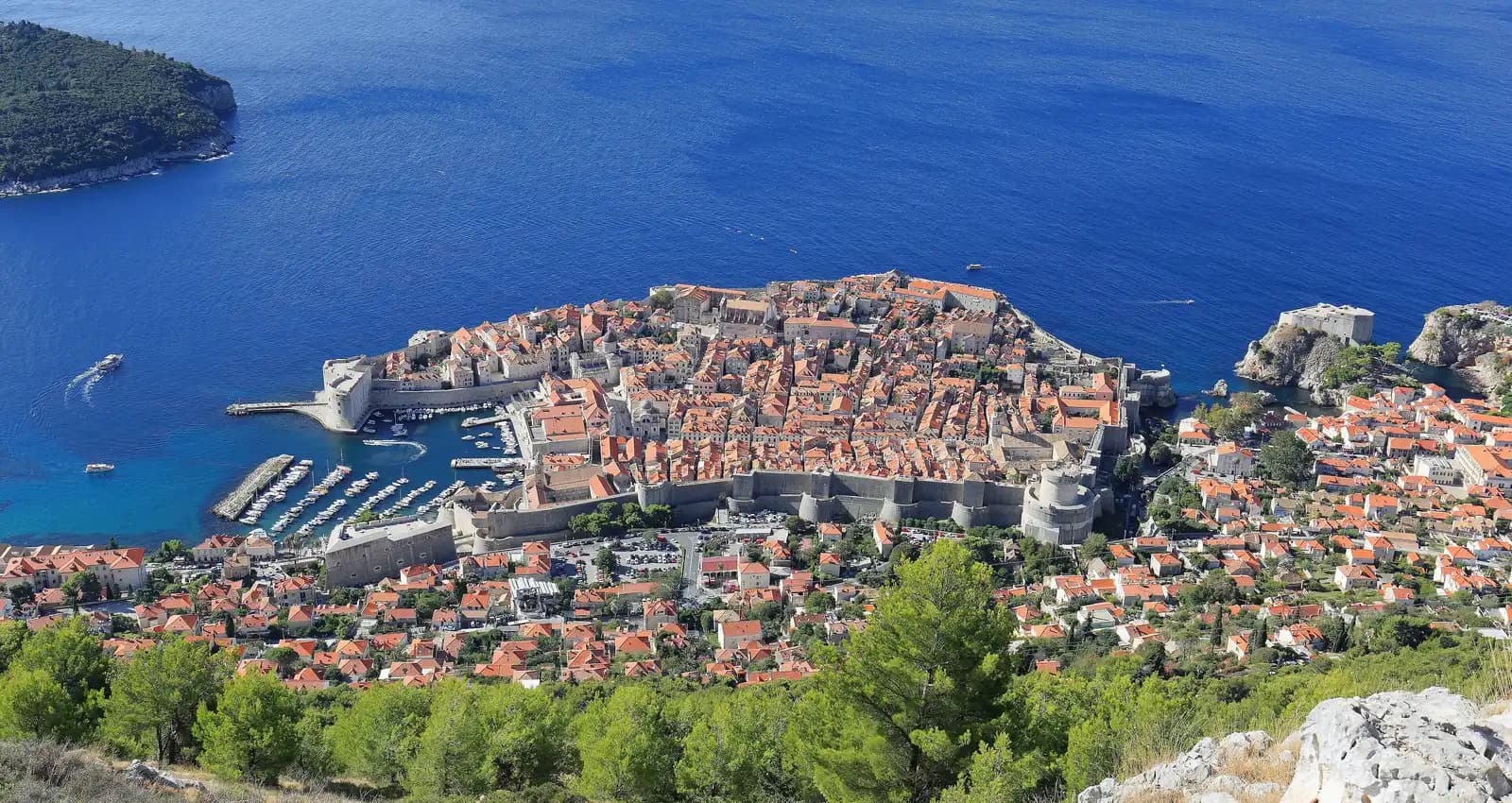
Europe
Croatia Nomad Visa
- Income
- €3,622.50 a month (2.5 × previous year's average net salary), or €43,470 in the bank for 12 months / €65,205 for 18 months; +10% of the average net salary per family member
- Stay
- Up to 18 months; one extension of up to 6 months possible
Europe
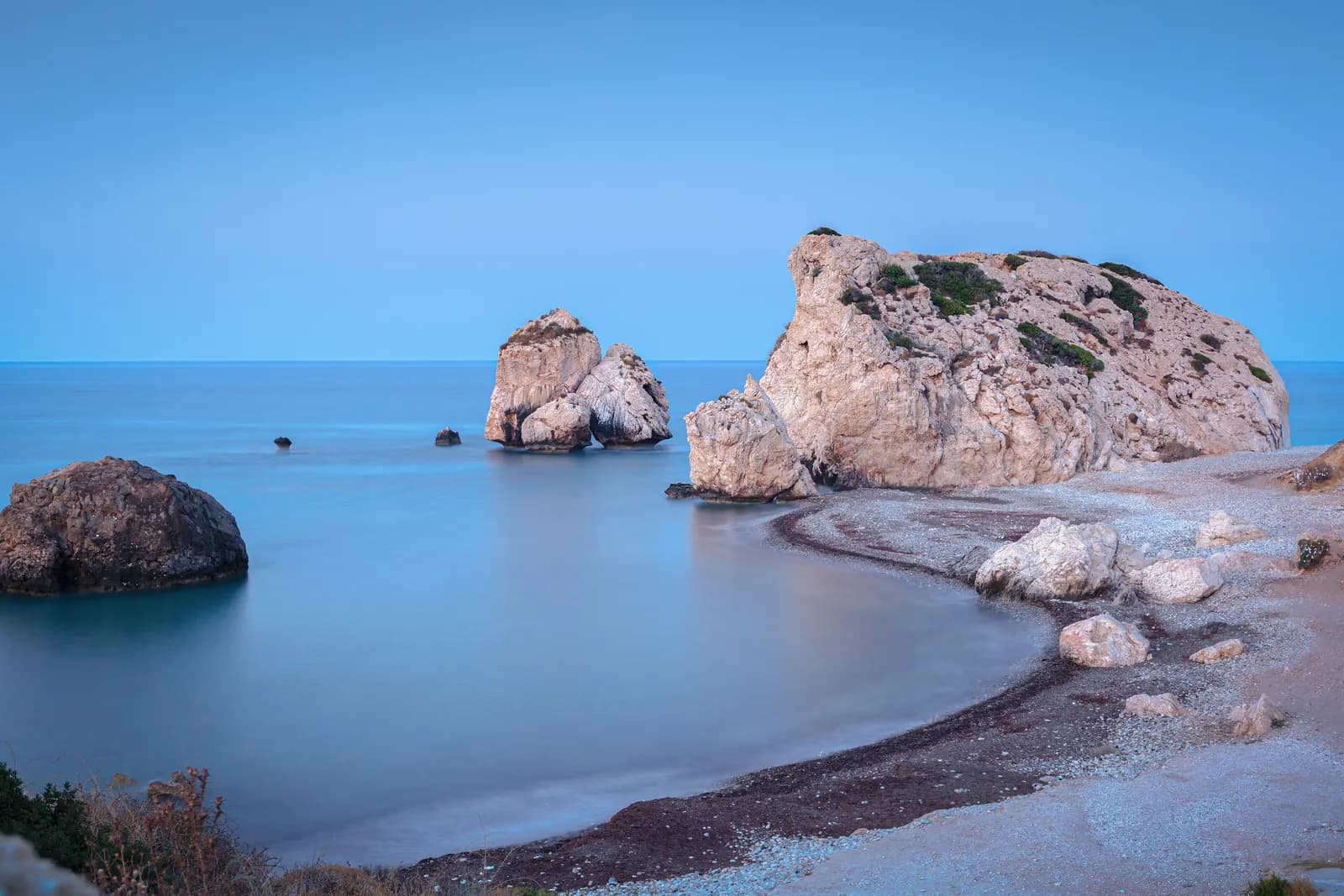
Cyprus Nomad Visa
- Income
- €3,500 a month net, after tax and contributions; +20% for a spouse or partner, +15% per child
- Stay
- 1 year, renewable for up to 2 more years
 Not open to Nigerian passports
Europe
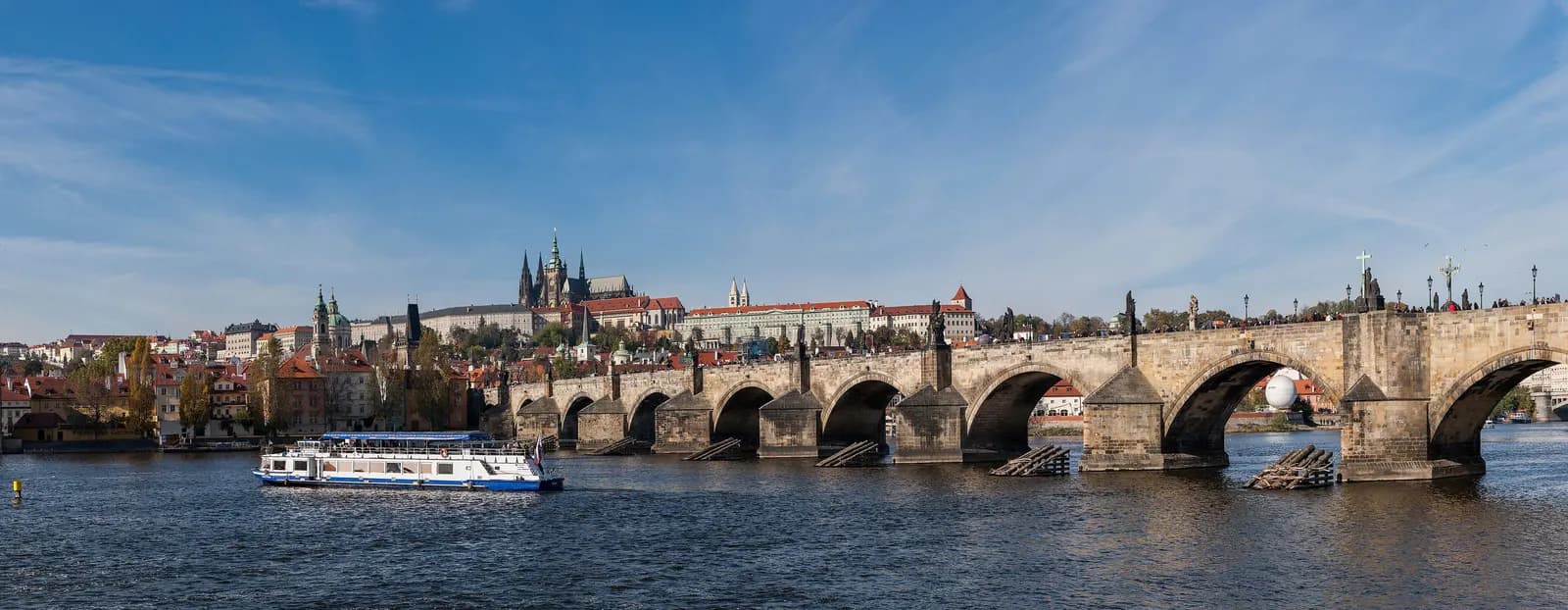
Czechia Nomad Visa
- Income
- 1.5 × the Czech average gross salary set by the Ministry of Labour (no fixed figure on the programme page)
- Stay
- Long-term visa up to 1 year, then a long-term residence permit