Croatia Nomad Visa
Croatia's temporary stay for digital nomads lets non-EU remote workers employed by, or running, a company outside Croatia live there for up to 18 months if they show at least €3,622.50 a month (2026 figure) or €43,470 in savings for a 12-month stay.
Last checked 25 October 2026
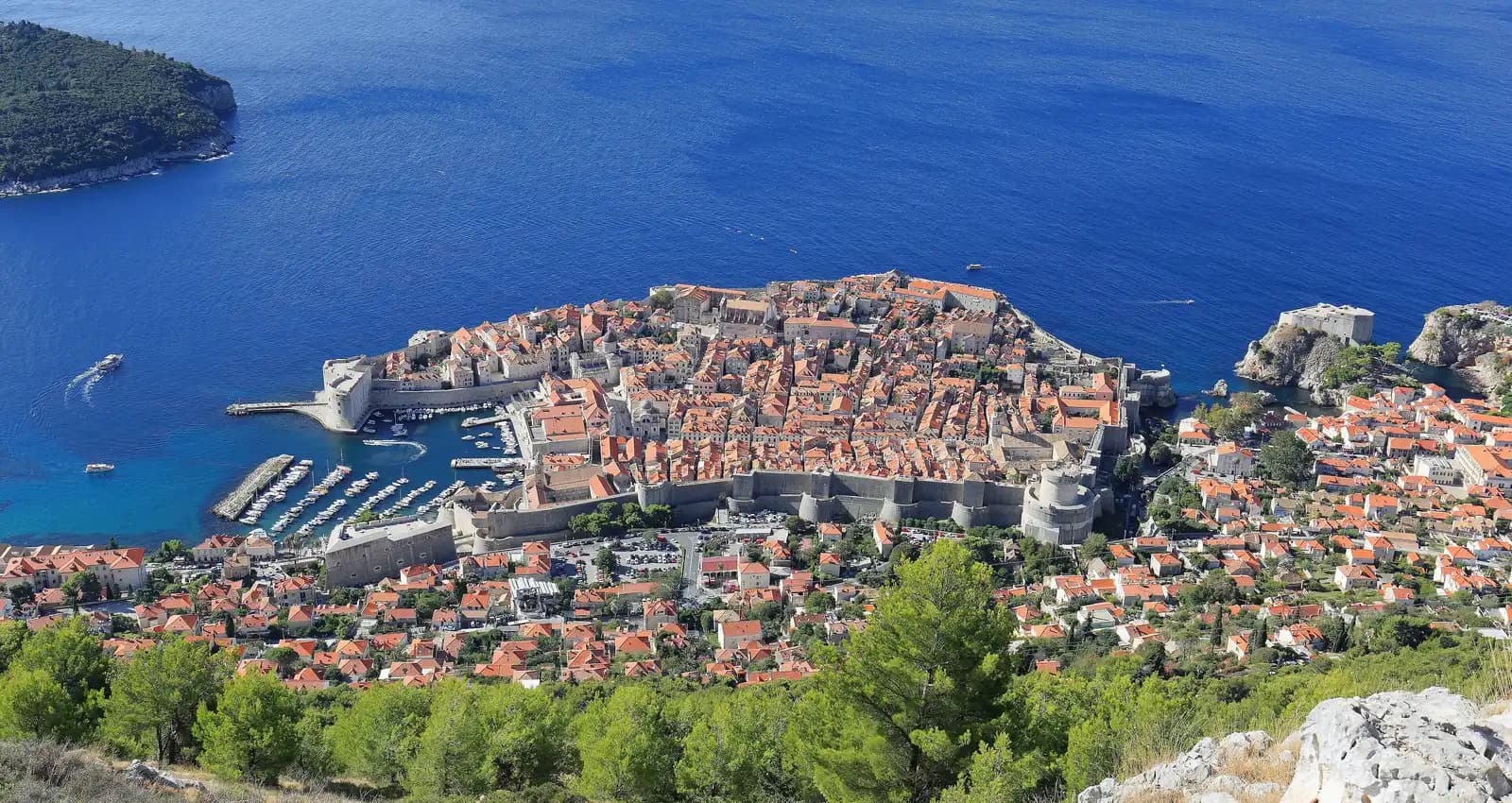
Photo: Martin Falbisoner, CC BY-SA 4.0, via Wikimedia Commons (cropped)
Croatia nomad visa at a glance
- Official name
- Temporary stay of digital nomads (privremeni boravak digitalnih nomada)
- Income needed
- €3,622.50 a month (2.5 × previous year's average net salary), or €43,470 in the bank for 12 months / €65,205 for 18 months; +10% of the average net salary per family member
- How long
- Up to 18 months; one extension of up to 6 months possible
- Fees
- At an embassy: €55.74 for the stay, €93.00 for the D visa and €41.14 for the residence card (plus any VFS service fee)
- Processing time
- Not published; a case worker reviews and may ask for more documents
- Family
- Yes: spouse, life partner and children through family reunification, after your stay is granted
- Tax
- Income from work for a foreign employer or your own foreign company is exempt from Croatian income tax while you hold digital nomad status
- Where to apply
- Croatian embassy or consulate (visa nationals, including Nigerians); online application also available
- Nigerian passport
- Nigerians need a visa for Croatia, so the Interior Ministry requires them to apply at a Croatian embassy or consulate (not at a police station) and to collect a long-stay D visa once approved. Croatia's foreign ministry lists a visa application centre in Abuja and names its embassy in Pretoria as the contact for visa questions.
Rules change; confirm with the official site before you apply: Ministry of the Interior of the Republic of Croatia (MUP).
What is the Croatia digital nomad visa?
It is a temporary stay permit for non-EU citizens who work remotely for a company outside Croatia, or for their own company registered abroad. Croatia's Ministry of the Interior (MUP) calls it "temporary stay of digital nomads". You live in Croatia legally, but you may not work for Croatian employers or serve Croatian clients.
The permit is open to applications in 2026. Because Croatia is in the Schengen area, a residence permit also lets you travel to other Schengen countries for short visits.
Who can apply for the Croatia digital nomad visa?
You can apply if you are a citizen of a country outside the EU, EEA and Switzerland, and you work through communication technology for a company that is not registered in Croatia. That includes employees of foreign companies and people who own and work through their own foreign-registered company.
- You must not work for, or provide services to, employers in Croatia.
- You need a valid passport, health insurance covering Croatia, a clean criminal record and enough money to support yourself.
- Your income must come from your remote work for the foreign company.
If you do not yet have a foreign employer or client, start there. Our remote jobs board lists roles open to Nigerians.
How much income do you need for the Croatia digital nomad visa?
For 2026 you need at least €3,622.50 a month. MUP sets this at 2.5 times Croatia's average monthly net salary for the previous year, so the figure changes each year.
You can prove it in one of three ways: a bank statement showing regular monthly income at that level, payslips for at least the last six months, or a lump sum already in your account. The lump sum is €43,470 for a 12-month stay or €65,205 for an 18-month stay. For each family member who comes with you, the requirement rises by 10% of the average monthly net salary.
How long can you stay, and can you renew it?
MUP grants the stay for up to 18 months, and sometimes less. You can apply to extend it no later than 60 days before it expires, and an extension is granted for up to six months.
The MUP page does not state a longer overall cap. Once your stay ends, you must wait six months before applying again as a digital nomad, so plan for it as a long but fixed stay rather than an open-ended one.
How much does it cost?
MUP publishes these fees:
- Applying at a Croatian embassy or consulate (the route for Nigerians): €55.74 for granting the stay, €93.00 for the long-stay D visa, and €41.14 for the biometric residence card if the mission can issue it. MUP notes that a VFS visa centre adds its own service fee.
- Applying at a police station (only for people who do not need a visa): €46.45 for the stay, a €9.29 administrative fee, and €31.85 for the residence card (€59.73 for faster issue).
Budget separately for health insurance, translations and the criminal record certificate.
What documents do you need?
MUP asks for documents in Croatian or English, with certified translations where needed. For online applications each file must be a PDF under 2 MB.
- Application form 1a, or the online application.
- A copy of your passport, valid at least three months beyond your planned stay.
- Proof of health insurance covering Croatia for the whole stay (travel or private cover is accepted).
- Proof of purpose: an employer statement and your employment contract, or your company registration and proof that you work through it.
- Proof of means of subsistence, as described above.
- A criminal record certificate from your home country and any country where you lived for more than a year before arriving, legalised.
- Your intended address in Croatia (a hotel or short-let booking is accepted).
How do you apply from Nigeria?
Nigerians need a visa for Croatia, so you apply from outside the country through a Croatian embassy or consulate. MUP says applications from visa nationals lodged at a police station are rejected.
- Confirm you meet the income rule and have a foreign employer or your own foreign company.
- Get a Nigerian police character certificate, have it legalised, and arrange translations into English or Croatian if needed.
- Buy health insurance that covers Croatia for the full period you are requesting.
- Submit the application to a Croatian diplomatic mission or consulate (MUP also offers an online application). Croatia's foreign ministry lists a visa application centre in Abuja and names the Croatian embassy in Pretoria as the contact for visa questions, so ask them which channel accepts digital nomad applications.
- Wait for your case worker's decision. They may ask for more documents.
- Once approved, go back to the embassy or consulate for the long-stay D visa, then travel to Croatia.
- Register your address with the police within the deadline MUP sets, and give your biometrics for the residence card.
If you would like help preparing the file, Premium membership includes nomad visa assistance.
How long does processing take?
MUP does not publish a processing time for this permit. A case worker reviews the file and may ask for extra documents, which adds time. Allow several weeks, and more if you need a D visa afterwards.
Do you pay tax in Croatia on a digital nomad visa?
Usually not on your remote work income. Croatia's Income Tax Act exempts income that a person with digital nomad status earns from employment with, or work for, an employer not registered in Croatia.
The exemption covers that work income only. Other income, such as rent or investment gains, follows the normal rules, and you may still owe tax in Nigeria or elsewhere. This is general information, not tax advice.
Can you bring your family?
Yes. Your spouse, life partner and children can join you through family reunification. MUP rejects family applications filed before your own digital nomad stay is granted, so apply for yourself first. Remember the income threshold rises for each family member.
What to know before you move
- Time difference: Croatia uses Central European Time. In winter it is the same as Lagos (UTC+1); from late March to late October it is one hour ahead.
- Getting paid: your income must come from your foreign employer or company. Keep clear bank records, because you may need them again for an extension.
- Health insurance: MUP accepts travel or private insurance, but it must cover Croatia for every day of the stay you request.
- Renting: you can apply with a temporary address such as a hotel, but you must register your address with the police after arriving, so choose housing where the landlord will help you register.
Comparing options in the region? See the Malta and Greece pages.
Official source
Ministry of the Interior of the Republic of Croatia (MUP). We last checked this page against it on 25 October 2026. Visa rules, fees and income thresholds change, sometimes without notice. Confirm every figure with the official site before you apply or pay.
Croatia nomad visa: common questions
Can Nigerians apply for the Croatia digital nomad visa?
How much do I need to earn for the Croatia digital nomad visa in 2026?
Do digital nomads pay income tax in Croatia?
How long can I stay in Croatia as a digital nomad?
Can freelancers apply for the Croatia digital nomad permit?
Can I work for Croatian clients on this permit?
Other nomad visas in Europe
All countries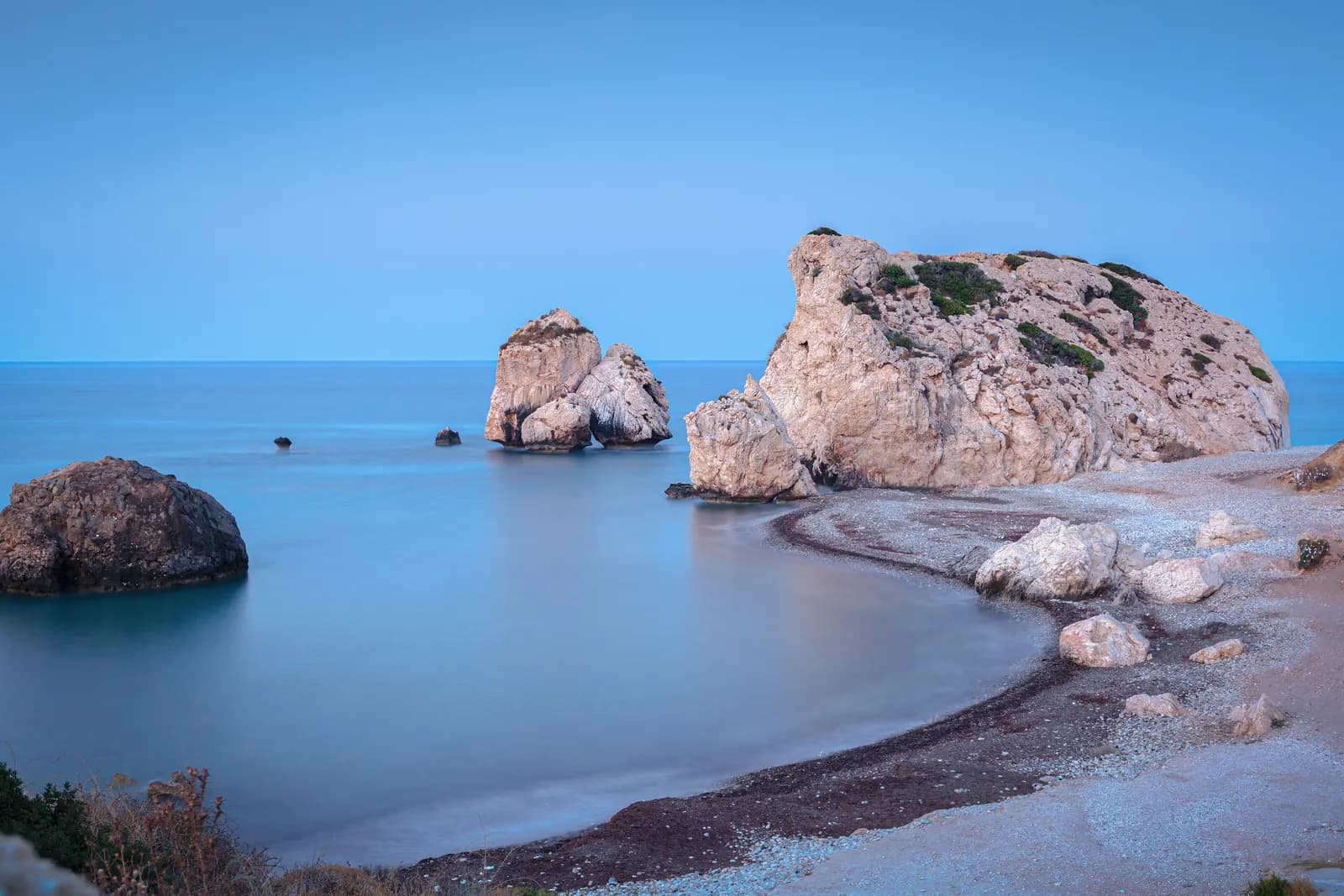
Europe
Cyprus Nomad Visa
- Income
- €3,500 a month net, after tax and contributions; +20% for a spouse or partner, +15% per child
- Stay
- 1 year, renewable for up to 2 more years
 Not open to Nigerian passports
Europe
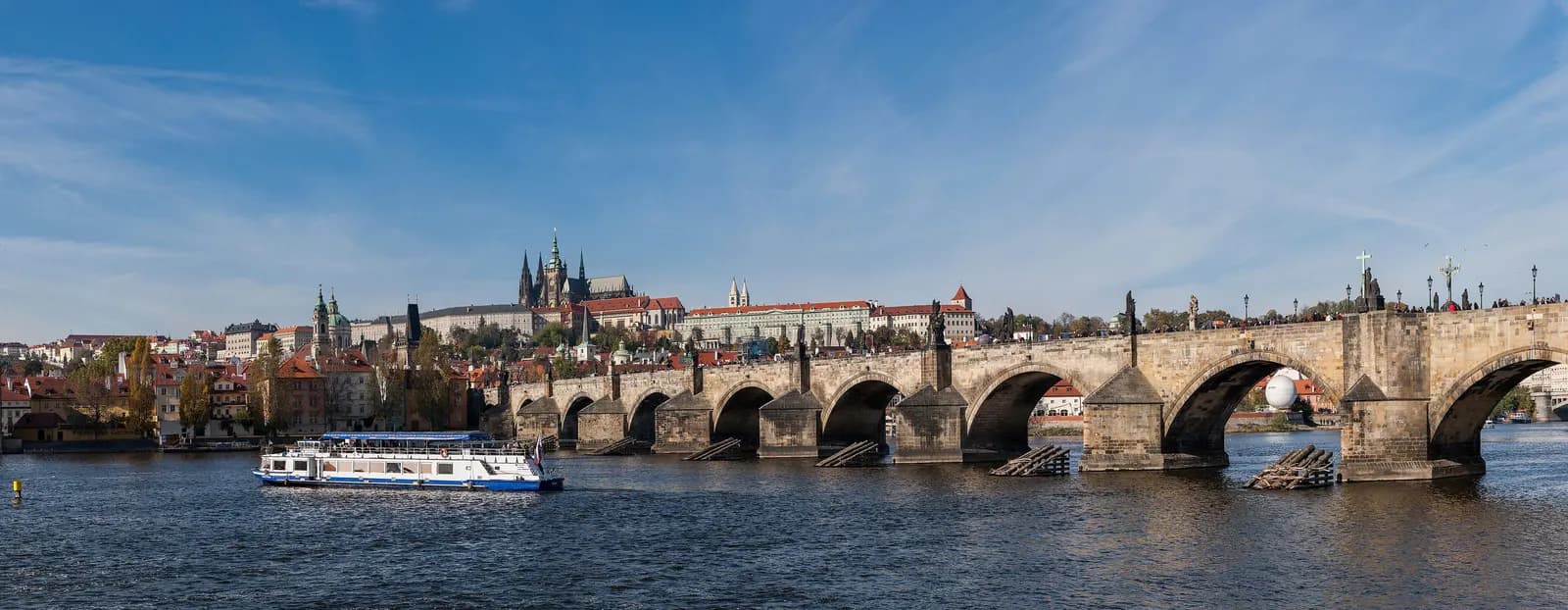
Czechia Nomad Visa
- Income
- 1.5 × the Czech average gross salary set by the Ministry of Labour (no fixed figure on the programme page)
- Stay
- Long-term visa up to 1 year, then a long-term residence permit
Europe
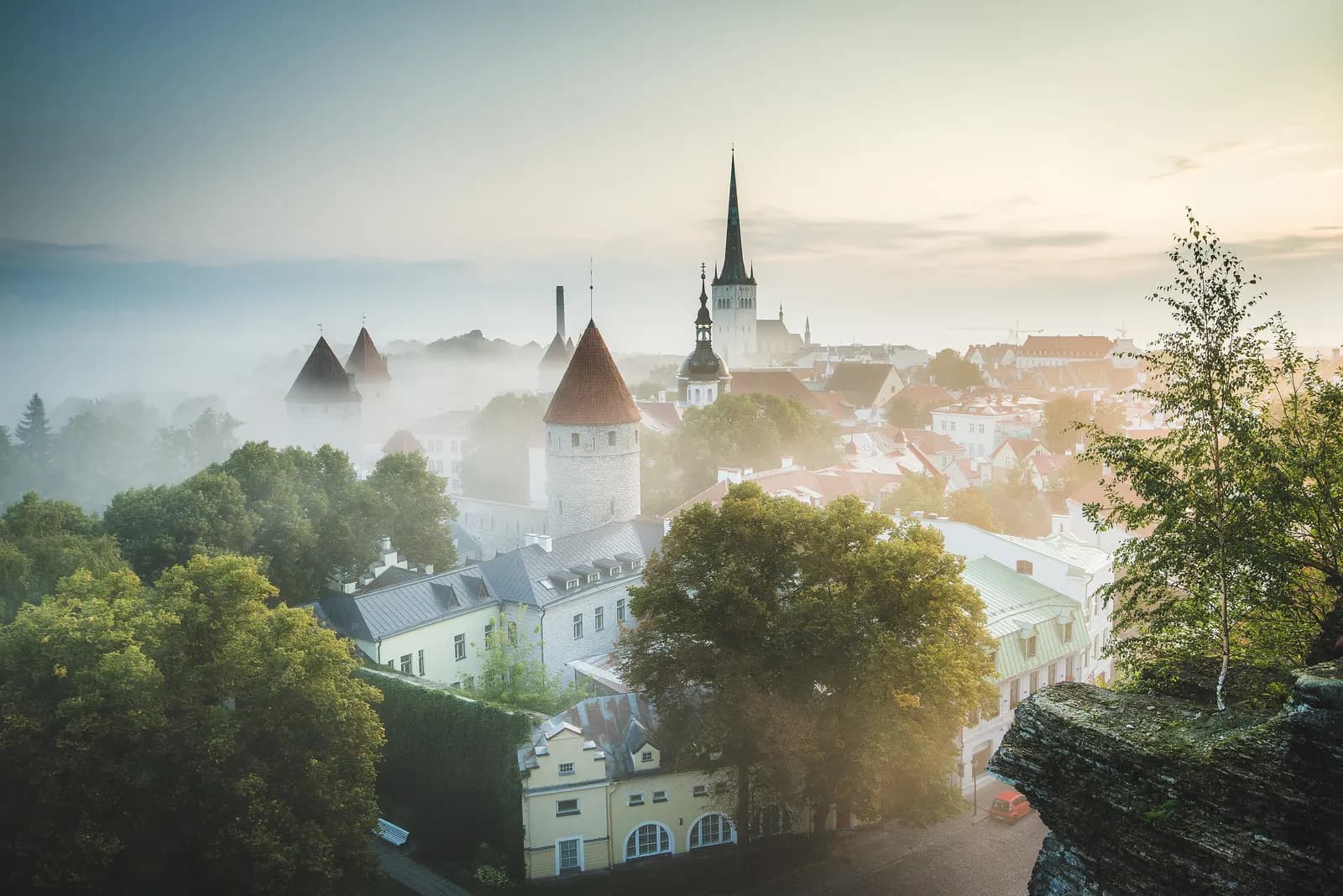
Estonia Nomad Visa
- Income
- €3,960 a month (€132 a day) per the Foreign Ministry; some government pages still say €4,500
- Stay
- Up to 365 days within 12 months