Malta Nomad Visa
Malta's Nomad Residence Permit lets non-EU remote workers with a foreign employer, their own foreign company or foreign clients live in Malta for one year at a time, renewable up to four years in total, if they earn at least €42,000 a year gross.
Last checked 25 October 2026
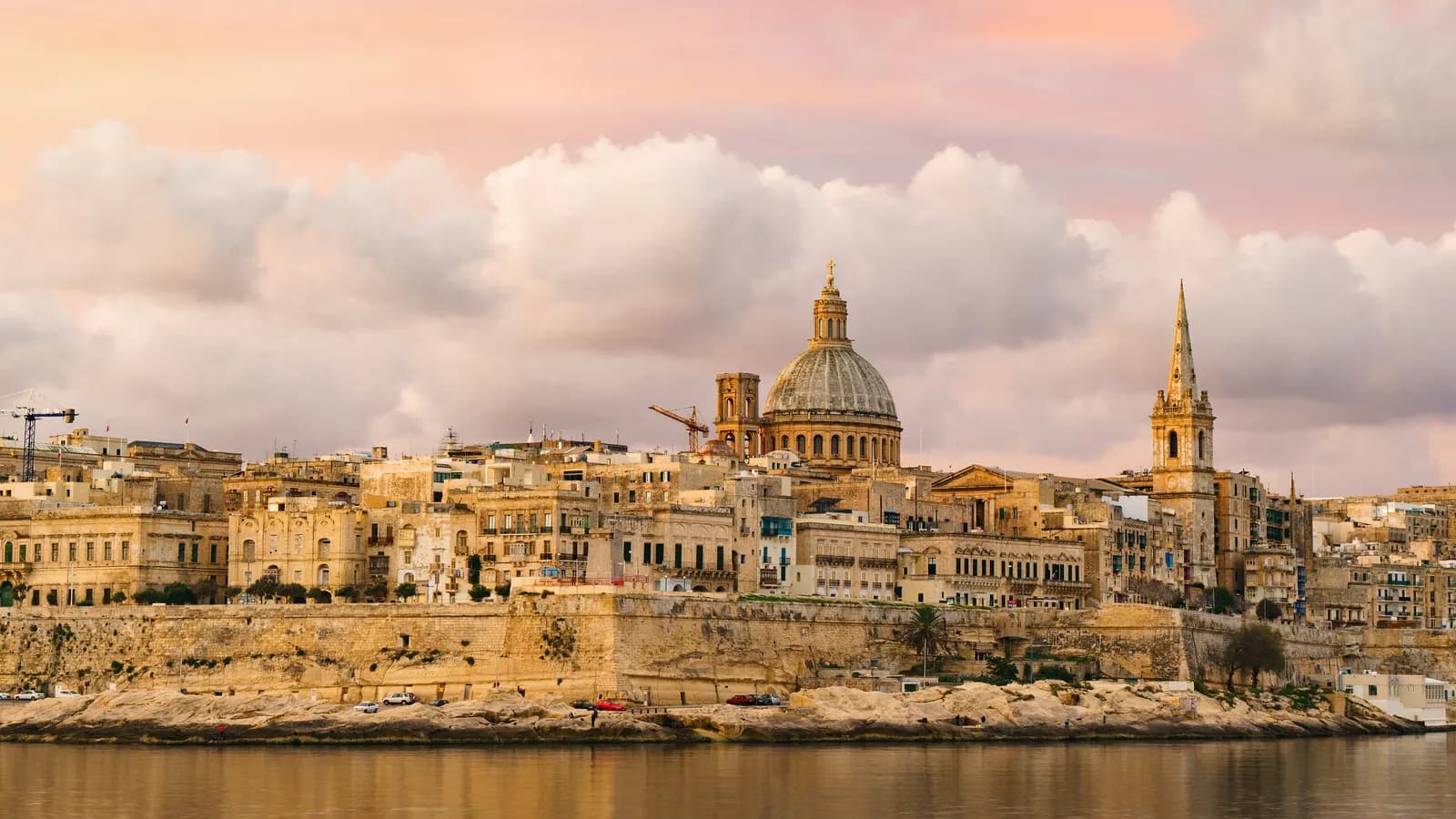
Photo: Olga Prystai, CC BY-SA 4.0, via Wikimedia Commons
Malta nomad visa at a glance
- Official name
- Nomad Residence Permit
- Income needed
- €42,000 a year gross (applications made before 1 April 2024 keep the old €32,400)
- How long
- 1 year, renewable three times (maximum four years)
- Fees
- €300 per applicant, plus €100 per residence card; visa fees where applicable
- Processing time
- About 30 working days after the fee is received
- Family
- Yes: spouse, minor children and certain dependent adult children
- Tax
- Remote work income exempt for the first 12 months, then taxed at a flat 10% (Legal Notice 277 of 2023)
- Where to apply
- Online through the Residency Malta portal
- Nigerian passport
- Nigeria is not on Residency Malta's list of ineligible nationalities, so Nigerians can apply online. Nigerians need an entry visa for Malta (and an airport transit visa when changing planes at EU airports); after approval, Identità's Central Visa Unit contacts you about the visa.
Rules change; confirm with the official site before you apply: Residency Malta Agency.
What is the Malta digital nomad visa?
Malta's digital nomad route is the Nomad Residence Permit, run by the Residency Malta Agency. It lets citizens of countries outside the EU, EEA and Switzerland live in Malta while they keep working remotely for an employer, company or clients based abroad.
The permit is issued for one year and can be renewed. It is a residence permit, not a work permit for the Maltese job market, and it does not lead to permanent residence or citizenship.
Who can apply for the Malta digital nomad visa?
You must be 18 or older, a non-EU, non-EEA, non-Swiss national, and able to do your job remotely using telecoms. You also need to fit one of three categories:
- Employee: you work for an employer registered in a foreign country and have a contract of work.
- Business owner: you are a partner or shareholder in a company registered abroad and work for it.
- Freelancer or consultant: you serve clients whose permanent establishments are outside Malta.
Residency Malta excludes people who serve Maltese companies or individuals, including contractors working for a foreign company's Maltese subsidiary. A few nationalities are currently not eligible; Nigeria is not one of them. If you still need that foreign employer or client, browse our remote jobs.
How much income do you need for the Malta digital nomad visa?
You need a minimum gross income of €42,000 a year. People who applied before 1 April 2024 keep the older threshold of €32,400.
Residency Malta also asks you to show a guaranteed source of income for at least five cumulative months from the date you apply. Its FAQs do not mention any extra income for family members.
How long can you stay, and can you renew it?
The first permit is valid for one year from the date the residence card is issued. You can renew it three times, at the agency's discretion, for a maximum total stay of four years.
- Apply to renew two to three months before the card expires.
- You must show you lived in Malta for at least five cumulative months in the previous 12, using a bank statement with transactions made in Malta.
- The second and third renewals need a tax compliance declaration.
If you miss a renewal or are refused, you can only apply again 12 months after expiry, and earlier stays count towards the four-year limit.
How much does it cost?
The application fee is €300 per applicant, non-refundable and paid by bank transfer from the main applicant's account. Each residence card costs €100, paid by card in person at Residency Malta's office. Any visa fees come on top. Changing your address or replacing a stolen card costs €50.
What documents do you need?
Residency Malta publishes a checklist on its site. The core items are:
- A valid passport.
- Proof of remote work: your employment contract, company documents, or client contracts.
- Proof of income meeting the €42,000 threshold.
- A police conduct certificate for every applicant aged 18 or over, issued within the last six months by national authorities and translated into English if needed.
- Health insurance covering the EU (including Malta) and the UK, with at least €100,000 of cover, fully paid for a year. Monthly payments and travel insurance are not accepted.
- A rental or purchase agreement for a property in Malta covering the permit period.
You submit the health insurance and accommodation documents after you receive an approval in principle (see below).
How do you apply from Nigeria?
You apply online, and you can do it from Nigeria. Residency Malta does not run a separate process for people abroad.
- Check that you fit one of the three work categories and meet the income rule.
- Get a Nigerian police character certificate dated within six months.
- Create an account on the Residency Malta portal and upload your application and documents. You can appoint a representative with a signed declaration.
- Pay the €300 fee per applicant by bank transfer when you receive the payment instructions.
- If approved in principle, you get a Letter of Approval in Principle. You then have 30 working days to send proof of accommodation and health insurance.
- Residency Malta issues a Letter of Final Approval. Because Nigerians need an entry visa, Identità's Central Visa Unit contacts you about the visa, and you must enter Malta within 90 days of the visa being issued.
- After arriving, email Residency Malta to book your biometrics, pay €100 for the card and collect it in person three to four weeks later.
Note that Nigerians also need an airport transit visa to change planes at airports in other EU countries, so route your flights with care. Premium membership includes nomad visa assistance if you want help with the file.
How long does processing take?
Residency Malta says it takes about 30 working days from the date its Finance Department confirms your payment, including background checks. Add time for the visa and for producing the residence card, which takes three to four weeks after biometrics. Decisions are final and cannot be appealed; a refused applicant can reapply after 12 months.
Do you pay tax in Malta on a digital nomad visa?
Malta's Nomad Residence Permits (Income Tax) Rules, Legal Notice 277 of 2023, set the position. Income from your authorised remote work is not taxed in Malta for the first 12 months after the permit is issued, unless you declare to Residency Malta that your residence is not merely casual.
After those 12 months, that income is taxed at a flat 10%. If you can prove you already paid tax of at least 10% on it in another country, you do not have to report it in Malta. Family members' income and any other income follow the normal Maltese rules. This is general information, not tax advice; Residency Malta itself recommends independent advice.
Can you bring your family?
Yes. Your spouse, your minor children or your spouse's, unmarried adult children who mainly depend on you, and adult children who cannot live independently because of a disability can be included. Dependants cannot be added after you pay or are approved, except newborns, but you can add them at renewal. Family members may not work for Maltese employers.
What to know before you move
- Time difference: Malta uses Central European Time, the same as Lagos (UTC+1) in winter and one hour ahead from late March to late October.
- Banking: plan to open a local bank account and use it, because renewal depends on bank evidence of at least five months in Malta.
- Health care: permit holders are not entitled to free public health care, so your private policy matters.
- Housing: a long-term lease must cover the permit period and meet the agency's standards. Hostels, boats and caravans are not accepted, and you must report any change of address within ten working days.
Official source
Residency Malta Agency. We last checked this page against it on 25 October 2026. Visa rules, fees and income thresholds change, sometimes without notice. Confirm every figure with the official site before you apply or pay.
Malta nomad visa: common questions
Can Nigerians apply for the Malta digital nomad visa?
What is the income requirement for Malta's Nomad Residence Permit?
How much tax do digital nomads pay in Malta?
How long can I stay in Malta on the Nomad Residence Permit?
Does the Nomad Residence Permit lead to permanent residence in Malta?
Can I travel around Europe with the Malta nomad permit?
Is Malta's €300 application fee refundable?
Other nomad visas in Europe
All countries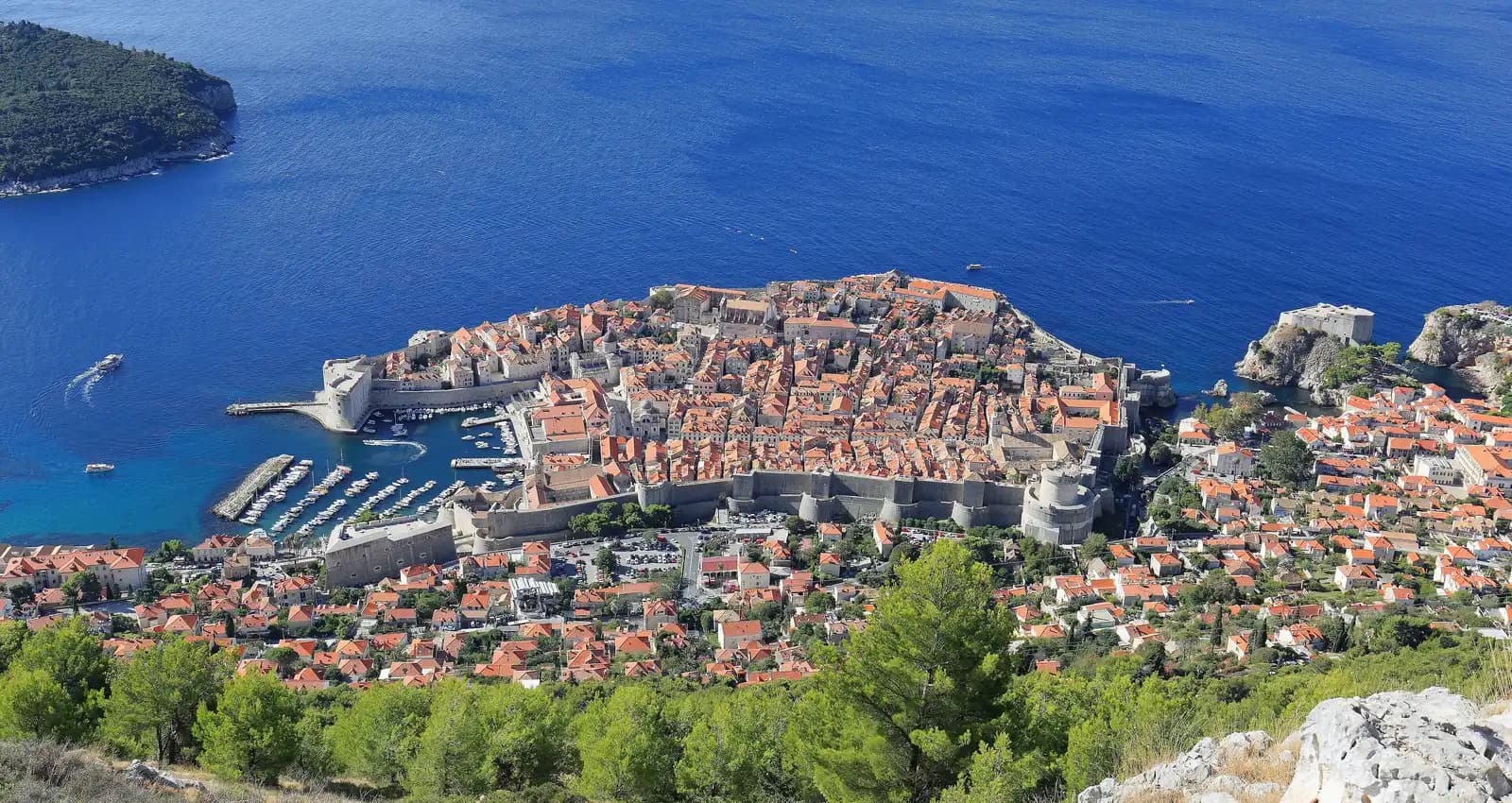
Europe
Croatia Nomad Visa
- Income
- €3,622.50 a month (2.5 × previous year's average net salary), or €43,470 in the bank for 12 months / €65,205 for 18 months; +10% of the average net salary per family member
- Stay
- Up to 18 months; one extension of up to 6 months possible
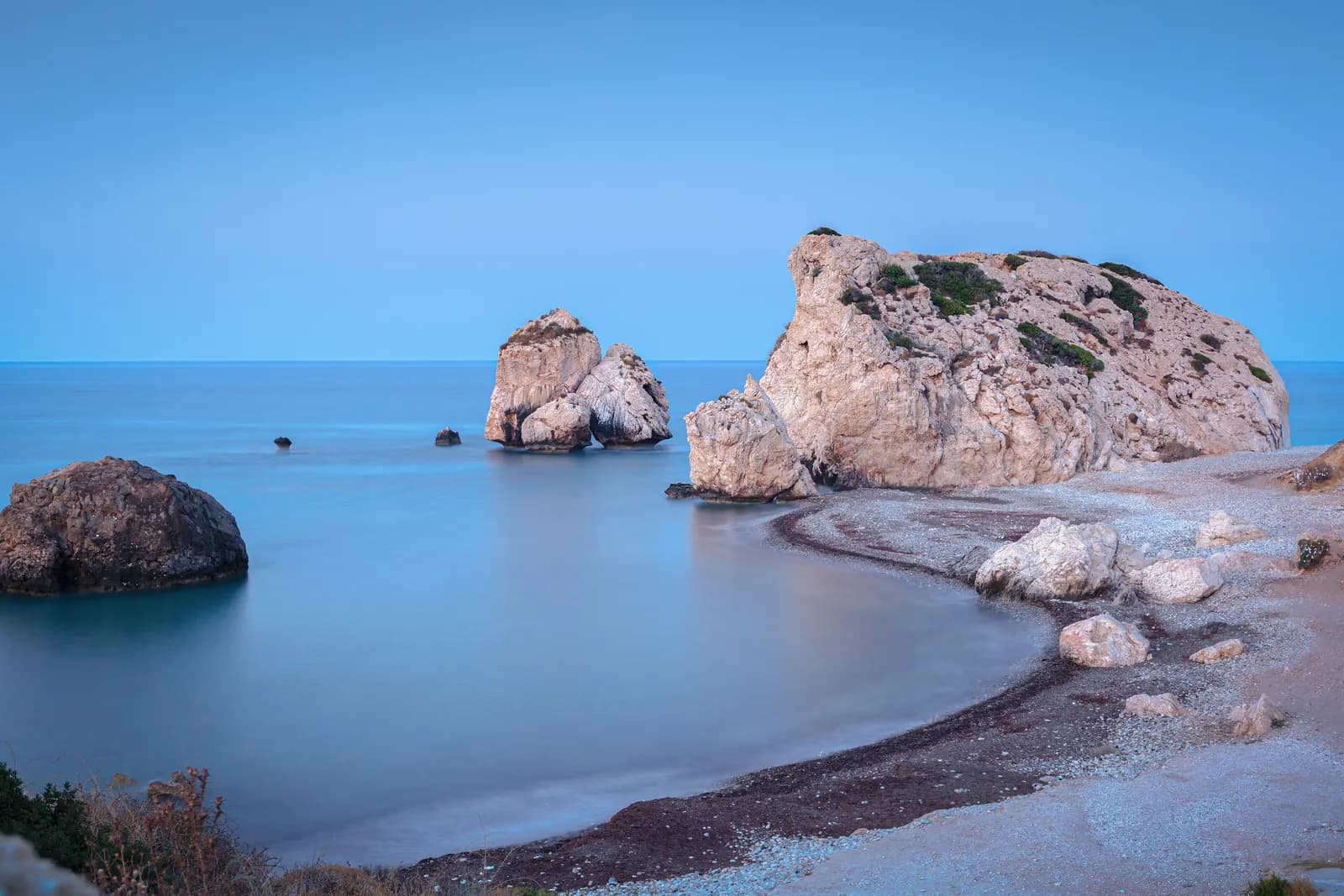
Europe
Cyprus Nomad Visa
- Income
- €3,500 a month net, after tax and contributions; +20% for a spouse or partner, +15% per child
- Stay
- 1 year, renewable for up to 2 more years
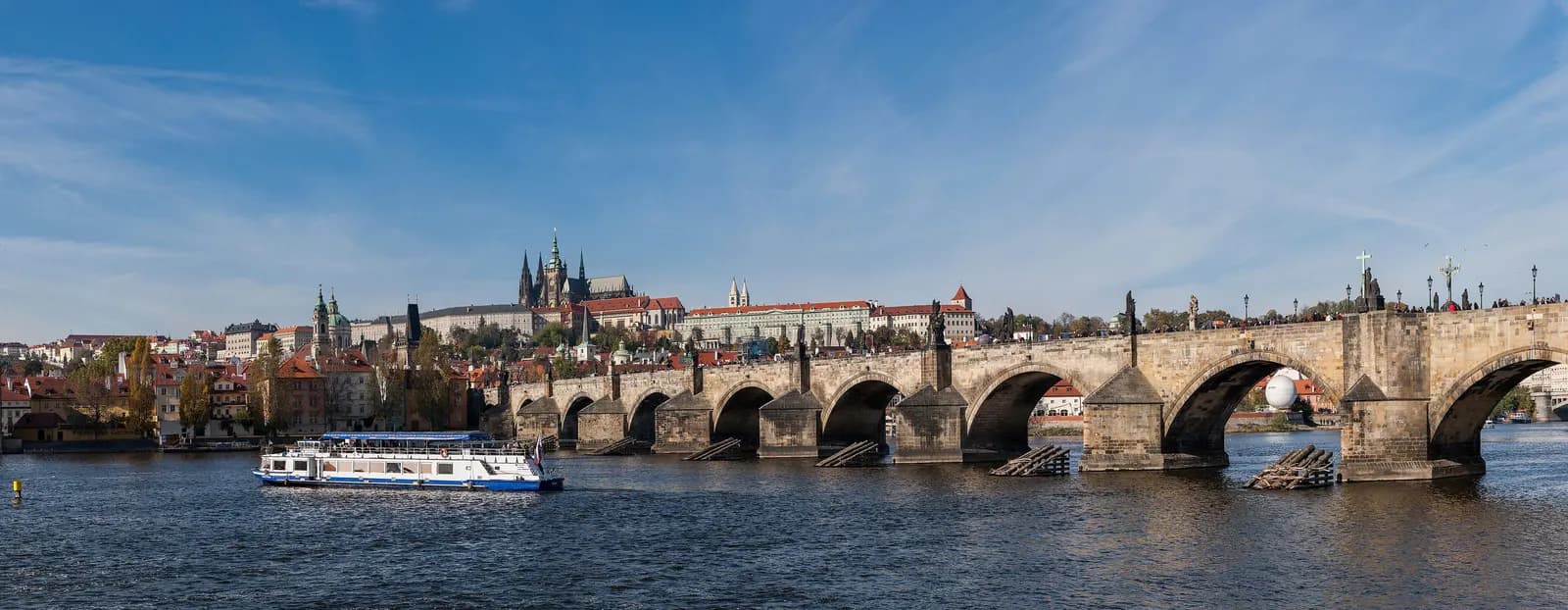 Not open to Nigerian passports
Europe
Czechia Nomad Visa
- Income
- 1.5 × the Czech average gross salary set by the Ministry of Labour (no fixed figure on the programme page)
- Stay
- Long-term visa up to 1 year, then a long-term residence permit