Greece Nomad Visa
Greece's digital nomad visa lets non-EU employees, freelancers and business owners who work remotely for clients outside Greece and earn at least €3,500 a month after tax live in Greece for up to 12 months, then apply for a two-year residence permit.
Last checked 25 October 2026

Photo: Norbert Nagel, CC BY-SA 3.0, via Wikimedia Commons
Greece nomad visa at a glance
- Official name
- Digital nomad national visa (type D, category Z.1) and digital nomad residence permit
- Income needed
- €3,500 a month net of tax; +20% for a spouse or partner and +15% per child
- How long
- Visa up to 12 months; then a 2-year residence permit, renewable while you meet the conditions
- Fees
- €75 consular visa fee; €1,000 fee for the residence permit
- Processing time
- The consulate must respond within 10 days of the request; permit times not published
- Family
- Yes: spouse or registered partner and unmarried children under 18, who may not work in Greece
- Tax
- No tax exemption in the visa law; tax residence is decided under Greek income tax rules
- Where to apply
- The Greek consular authority responsible for your place of residence; permit at the Decentralised Administration in Greece
- Nigerian passport
- Nigerians need a national visa for Greece. We could not confirm on an official page which Greek mission takes digital nomad applications from Nigeria; check with the Greek Ministry of Foreign Affairs at mfa.gr before you apply.
Rules change; confirm with the official site before you apply: Ministry of Migration and Asylum - Migration Code (Law 5038/2023, article 68).
What is the Greece digital nomad visa?
It is a national (type D) visa for people who work remotely, using computers and telecoms, for employers or clients outside Greece. Greece's Migration Code (Law 5038/2023, article 68) sets it out, and a 2024 joint ministerial decision lists the documents.
The visa lasts up to 12 months. If you want to stay longer, you can apply in Greece, before the visa expires, for a two-year residence permit for digital nomads.
Who can apply for the Greece digital nomad visa?
Non-EU nationals who can do their job remotely for employers or clients based outside Greece can apply. That includes:
- Employees of a company established outside Greece, on a permanent contract or a fixed-term one that runs at least as long as the visa.
- Freelancers with more than one employer or client outside Greece. The 2024 decision says freelancers need more than one contract.
- Business owners who are self-employed in their own company based outside Greece.
You must sign a solemn declaration that you will not work in any way for an employer based in Greece. Unlike Italy or Spain, the law does not ask for a degree or a minimum number of years of experience. If you need the foreign contract first, start with remote jobs.
How much income do you need for the Greece digital nomad visa?
You need stable income of at least €3,500 a month. If your income comes from a job or contract, the figure is net, after the taxes due in the country where the work is done. The 2024 decision says the income can be assessed monthly or as a yearly average.
The amount rises by 20% for a spouse or partner and by 15% for each child. In euros, that is €4,200 a month for a couple, plus €525 for each child. You prove it with your employment or service contract, or, if you are self-employed, with business or personal bank statements.
How long can you stay, and can you renew it?
The visa itself is granted for up to 12 months. Before it runs out, you can apply to the Aliens and Migration Directorate of the Decentralised Administration where you live for a residence permit, which the law grants for two years. Renewal follows the rules for the residence permit for people with sufficient means, and requires you to keep meeting the conditions.
The 2024 decision also lists a Schengen visa or visa-free entry, as well as the digital nomad visa, as acceptable entry documents for the permit application. Confirm with the Decentralised Administration before relying on that route.
How much does it cost?
- Visa: a consular fee of €75.
- Residence permit: a fee of €1,000, according to the 2024 ministerial decision on supporting documents.
You will also pay for private health insurance, translations and any legalisation of documents.
What documents do you need?
For the visa, besides the general national visa documents (application form, passport, photo and similar), you need:
- A solemn declaration that you will live in Greece to work remotely and will not work for an employer based in Greece
- Details of the company you work for or own: name, registered office, field of activity, purpose and proof it is actively operating, such as a business registry entry or its website
- Your employment or service contract, or several contracts if you are a freelancer, showing you can work remotely
- Proof of at least €3,500 a month in net income
- The €75 visa fee
For the two-year residence permit in Greece you also need a certified copy of your passport and visa, a lease, property deed or similar proof of accommodation, a private health insurance policy, and the €1,000 fee.
How do you apply from Nigeria?
You apply to the Greek consular authority responsible for where you live. The Migration Code says you can hand in the application in person or send it by email or registered post, and that the consulate must respond within 10 days. We could not confirm on an official Greek page which mission currently takes national visa applications from Nigeria, because the Ministry of Foreign Affairs site was not reachable during our check.
- Contact the Greek Ministry of Foreign Affairs (mfa.gr) to confirm which Greek embassy or consulate handles national visas for residents of Nigeria, and how it wants files submitted.
- Collect your contract, company documents and bank statements or payslips showing €3,500 a month net.
- Sign the solemn declaration and prepare the general national visa documents.
- Submit the application and pay the €75 fee.
- After arrival, and before the visa expires, apply for the two-year permit at the Decentralised Administration where you live, with the €1,000 fee, your lease and private health insurance.
Premium membership includes nomad visa assistance if you want help with the paperwork.
How long does processing take?
The law requires the consulate to respond within 10 days of your request and to complete the visa in a single visit where possible. No official processing time is published for the residence permit, so apply well before your visa expires.
Do you pay tax in Greece on a digital nomad visa?
The Migration Code does not grant any tax exemption. Whether you owe Greek tax depends on whether you become a Greek tax resident under the Greek income tax rules, which look at how long you stay and where your home and interests are. We could not read the tax authority's (AADE) pages during our check, so confirm your position with AADE or a Greek tax adviser before you move. This is general information, not tax advice.
Can you bring your family?
Yes. Your spouse, or a partner with whom you have a registered cohabitation agreement, and unmarried children under 18, can each apply for their own visa, and later a permit, that expires at the same time as yours. Family members are not allowed to work or run any business in Greece while on this status.
What to know before you move
- Working hours: Greece is on UTC+2 in winter, one hour ahead of Lagos, and UTC+3 in summer, two hours ahead.
- No Greek employers: the visa is conditional on not working for any employer based in Greece.
- Housing: you need a lease, deed or similar agreement for the residence permit, so arrange a documented long-term rental.
- Health insurance: the permit needs a private health insurance policy.
For other options in the region, compare Cyprus, Croatia and Italy.
Official source
Ministry of Migration and Asylum - Migration Code (Law 5038/2023, article 68). We last checked this page against it on 25 October 2026. Visa rules, fees and income thresholds change, sometimes without notice. Confirm every figure with the official site before you apply or pay.
Greece nomad visa: common questions
Can Nigerians apply for the Greece digital nomad visa?
How much income do I need for the Greece digital nomad visa?
How long can I stay in Greece on the digital nomad visa?
How much does the Greece digital nomad visa cost?
Can I work for a Greek company on the digital nomad visa?
Can my spouse work in Greece on the digital nomad visa?
Other nomad visas in Europe
All countries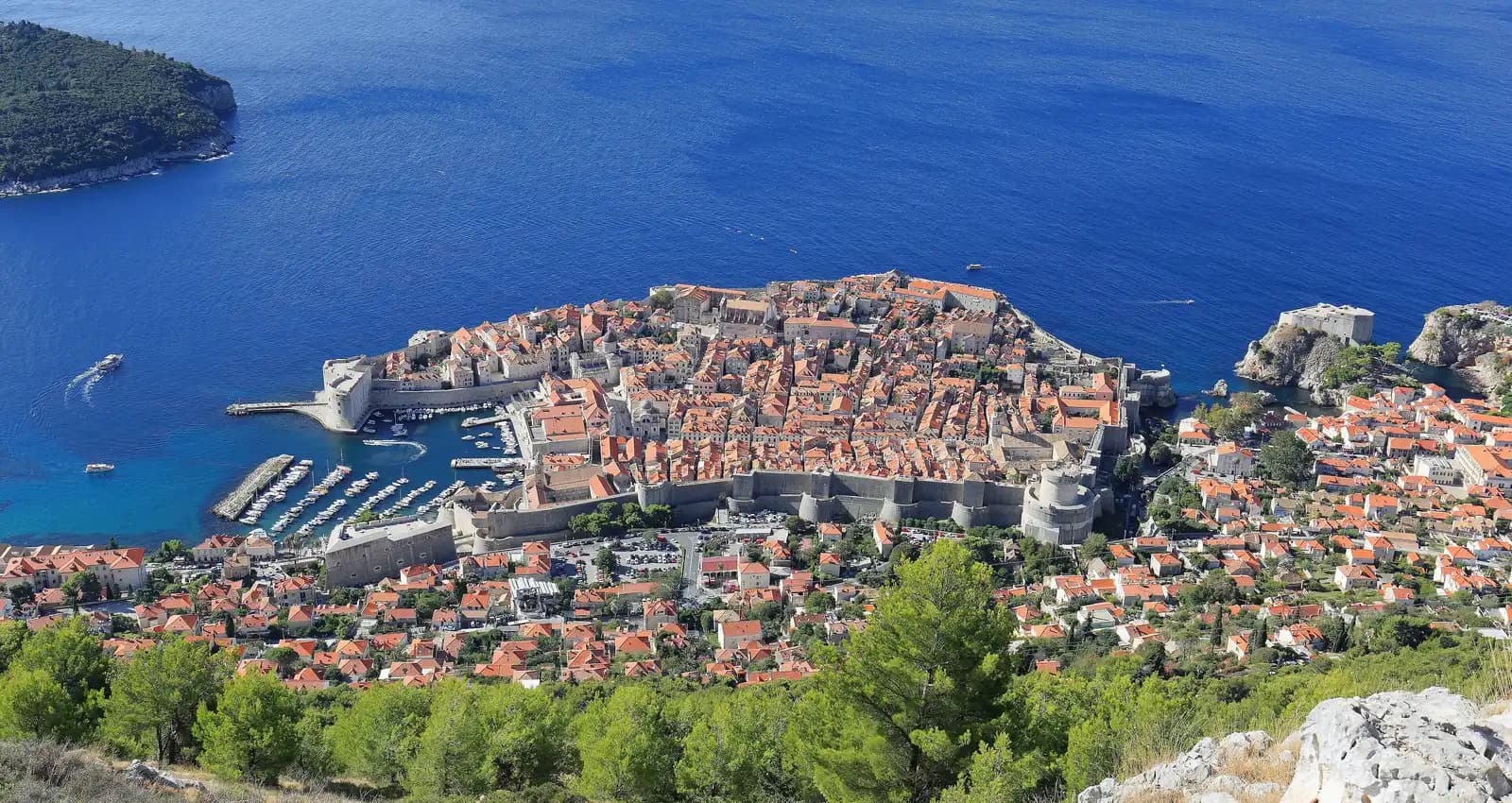
Europe
Croatia Nomad Visa
- Income
- €3,622.50 a month (2.5 × previous year's average net salary), or €43,470 in the bank for 12 months / €65,205 for 18 months; +10% of the average net salary per family member
- Stay
- Up to 18 months; one extension of up to 6 months possible

Europe
Cyprus Nomad Visa
- Income
- €3,500 a month net, after tax and contributions; +20% for a spouse or partner, +15% per child
- Stay
- 1 year, renewable for up to 2 more years
 Not open to Nigerian passports
Europe
Czechia Nomad Visa
- Income
- 1.5 × the Czech average gross salary set by the Ministry of Labour (no fixed figure on the programme page)
- Stay
- Long-term visa up to 1 year, then a long-term residence permit