Italy Nomad Visa
Italy's digital nomad and remote worker visa, in force since April 2024, lets highly qualified non-EU remote workers with at least six months' experience and annual income of about €28,000 live in Italy on a one-year permit that can be renewed each year.
Last checked 25 October 2026

Photo: Ximonic (Simo Räsänen), CC BY-SA 4.0, via Wikimedia Commons
Italy nomad visa at a glance
- Official name
- Visa for digital nomads and remote workers (nomadi digitali e lavoratori da remoto)
- Income needed
- At least 3 x the threshold for exemption from healthcare charges: about €28,000 a year according to Italian embassies
- How long
- Residence permit of up to 1 year, renewable each year while you meet the conditions
- Fees
- €116 national (type D) visa fee, paid in naira at the quarterly consular rate; permit costs extra
- Processing time
- Not published for this visa; the general limit for national visas is 90 days
- Family
- Yes: spouse and minor children through family reunification, on permits of the same length
- Tax
- Tax code and permit tied to Italian tax and social security rules; freelancers need an Italian VAT number
- Where to apply
- TLScontact centres in Lagos or Abuja, for the Consulate General of Italy in Lagos
- Nigerian passport
- Nigerians need a national visa. Visa applications in Nigeria are handled by the Consulate General of Italy in Lagos and submitted through TLScontact in Lagos or Abuja, by appointment only.
Rules change; confirm with the official site before you apply: Ministry of the Interior decree of 29 February 2024 (Gazzetta Ufficiale).
What is the Italy digital nomad visa?
It is a national (type D) visa, followed by a residence permit, for non-EU citizens who do highly qualified work remotely using technology. Italy added the category to its immigration law (article 27 of Legislative Decree 286/1998), and the rules took effect with a Ministry of the Interior decree dated 29 February 2024, published in the Gazzetta Ufficiale on 4 April 2024.
The decree covers two groups. A digital nomad is self-employed and works remotely. A remote worker is an employee or contractor working remotely for a company, which can be based outside Italy. Neither needs a work permit (nulla osta), and entry is outside Italy's annual quota system.
Who can apply for the Italy digital nomad visa?
You must count as a highly qualified worker under article 27-quater of Italy's immigration law. The Italian embassy checklist sets out four ways to show this:
- A tertiary degree from a course of at least three years, or a post-secondary professional qualification of at least three years.
- Recognition by the Italian authorities to practise a regulated profession.
- At least five years of professional experience at a level comparable to a degree, relevant to the job.
- For ICT managers and specialists, at least three years of relevant experience in the last seven years.
On top of that, the decree requires at least six months of previous experience in the work you will do as a digital nomad or remote worker, health insurance, accommodation, and the minimum income. Remote workers must also show their employment or collaboration contract, or a binding job offer. If you are still looking for that contract, start with remote jobs.
How much income do you need for the Italy digital nomad visa?
The decree sets the minimum as annual income from lawful sources of at least three times the minimum level used to exempt people from paying towards public healthcare costs. It does not print a euro figure.
The Italian Embassy in Zagreb's official checklist puts this at about €28,000 a year, which is the figure most applicants work to. Some Italian news outlets have reported lower calculations, so ask the consulate in Lagos to confirm the amount it applies before you file.
How long can you stay, and can you renew it?
After you arrive on the visa, you must apply for a residence permit at the Questura (police immigration office) in the province where you are staying within eight working days. The permit is marked "nomade digitale - lavoratore da remoto", is issued for up to one year, and can be renewed every year as long as you still meet the conditions.
The permit can be refused or withdrawn if you stop meeting the requirements, or if you break Italian tax or social security rules.
How much does it cost?
The Consulate General of Italy in Lagos lists the national (type D) visa fee as €116. It is paid in naira at the quarterly consular exchange rate, which changes on 1 January, 1 April, 1 July and 1 October. TLScontact charges its own service fee, and the residence permit, translations and health insurance are extra costs.
What documents do you need?
- National visa application form and a recent ICAO-format photo
- Passport valid well beyond your stay (the Lagos consulate asks for 15 months' validity on type D visas generally)
- Proof you are highly qualified: degree certificate, professional recognition, or evidence of five years' experience (three for ICT specialists)
- Proof of at least six months' experience in the remote work you will do
- Proof of annual income of at least three times the healthcare exemption threshold
- Health insurance covering medical treatment and hospital stays in Italy for the whole stay
- Documents showing where you will live, such as a lease
- For remote workers: the employment or collaboration contract or binding offer, plus a signed employer declaration that it has no convictions in the last five years for offences listed in article 22(5-bis) of the immigration law, with a copy of the signatory's ID
Qualifications and experience documents issued outside the EU must be legalised by an Italian mission or apostilled where that applies, and translated into Italian. For degrees, a CIMEA comparability certificate can replace the declaration of value.
How do you apply from Nigeria?
The Italian Embassy in Abuja's website says visa applications from Nigeria are handled by the Consulate General of Italy in Lagos and must be submitted through TLScontact, which has centres in Lagos and Abuja.
- Confirm the current income figure and document list with the Consulate General in Lagos, since it does not publish a separate checklist for this visa.
- Get your degree or experience documents legalised and translated into Italian, or apply for a CIMEA certificate.
- Register on the TLScontact Nigeria website and book an appointment at the Lagos (Victoria Island) or Abuja (Central Business District) centre.
- Attend the appointment, submit your documents and biometrics, and pay the €116 fee in naira.
- Once you have the visa, travel to Italy and apply for your residence permit at the Questura within eight working days.
Premium membership includes nomad visa assistance if you want help assembling the file.
How long does processing take?
Italy has not published a specific deadline for this visa. The Ministry of Foreign Affairs says national visas are generally issued within 90 days of the application, and that this can run longer when extra checks are needed. Apply well before your planned move.
Do you pay tax in Italy on a digital nomad visa?
The decree ties the permit to Italian tax and social security compliance. The Questura issues you an Italian tax code (codice fiscale) with the permit and tells the tax agency, the social security institute (INPS) and the labour inspectorate that you have arrived. Digital nomads, who are self-employed, must also register for an Italian VAT number (partita IVA).
For social security, the decree applies any bilateral agreement between Italy and your home country. Where there is none, Italian contribution rules apply. Whether you become an Italian tax resident depends on how long you stay and where your home and interests are. Italy's official legislation database shows the old tax residence article of the income tax code (TUIR article 2) as repealed by Legislative Decree 117 of 19 June 2026, so check the current residence rules with the Agenzia delle Entrate before relying on older guides. This is general information, not tax advice.
Can you bring your family?
Yes. The decree allows family reunification for your spouse and minor children under the conditions of article 29 of the immigration law, which include income and housing requirements. Family members receive a permit for family reasons lasting as long as yours.
What to know before you move
- Working hours: Italy is on UTC+1 in winter, the same as Lagos, and UTC+2 in summer, one hour ahead.
- Eight-day deadline: plan your first week around the Questura application; it is a legal deadline.
- Health insurance: the policy must cover medical treatment and hospital stays in Italy for the full period, not just emergencies on a short trip.
- Getting paid: keep contracts, invoices and bank records organised. Italian authorities can check your tax and contribution position after the permit is issued.
If Italy's qualification test rules you out, compare Spain, which accepts three years' experience, or Greece, which has no qualification requirement but a higher monthly income.
Official source
Ministry of the Interior decree of 29 February 2024 (Gazzetta Ufficiale). We last checked this page against it on 25 October 2026. Visa rules, fees and income thresholds change, sometimes without notice. Confirm every figure with the official site before you apply or pay.
Italy nomad visa: common questions
Can Nigerians apply for the Italy digital nomad visa?
How much income do I need for the Italy digital nomad visa?
Do I need a degree for the Italy digital nomad visa?
How long is the Italy digital nomad permit valid?
How much does the Italy digital nomad visa cost?
Can I bring my family on the Italy digital nomad visa?
What do I do after arriving in Italy?
Other nomad visas in Europe
All countries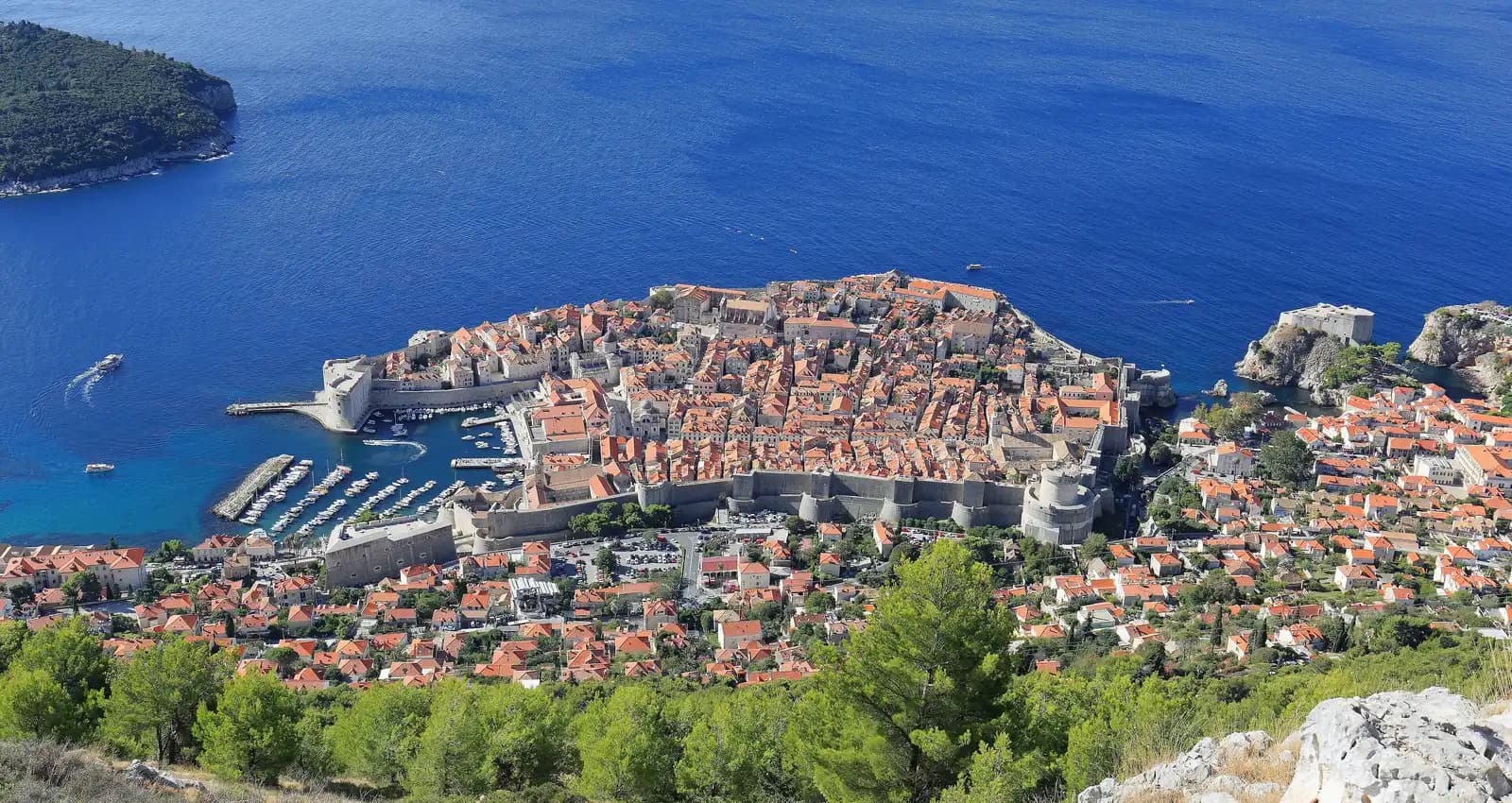
Europe
Croatia Nomad Visa
- Income
- €3,622.50 a month (2.5 × previous year's average net salary), or €43,470 in the bank for 12 months / €65,205 for 18 months; +10% of the average net salary per family member
- Stay
- Up to 18 months; one extension of up to 6 months possible
Europe
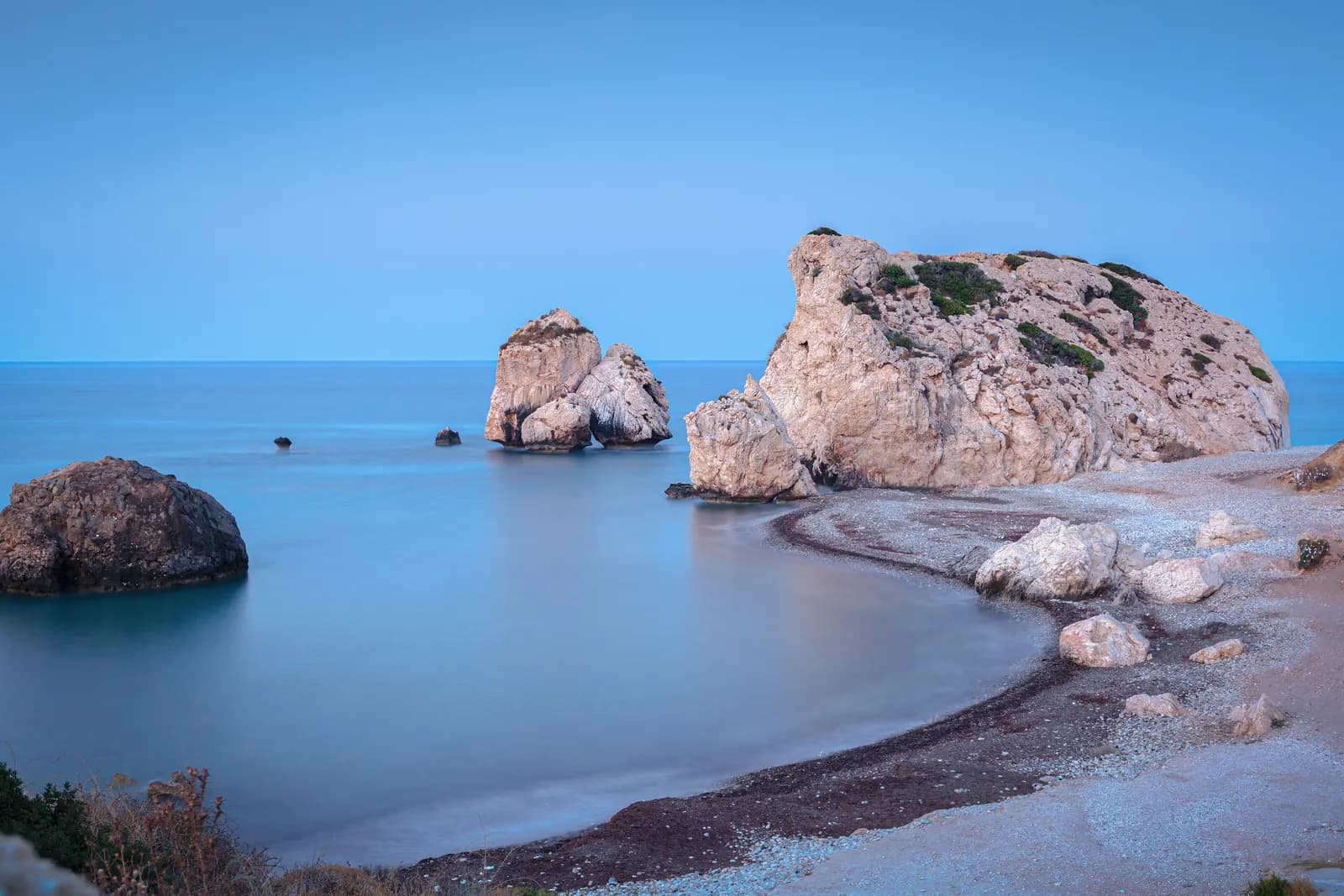
Cyprus Nomad Visa
- Income
- €3,500 a month net, after tax and contributions; +20% for a spouse or partner, +15% per child
- Stay
- 1 year, renewable for up to 2 more years
 Not open to Nigerian passports
Europe
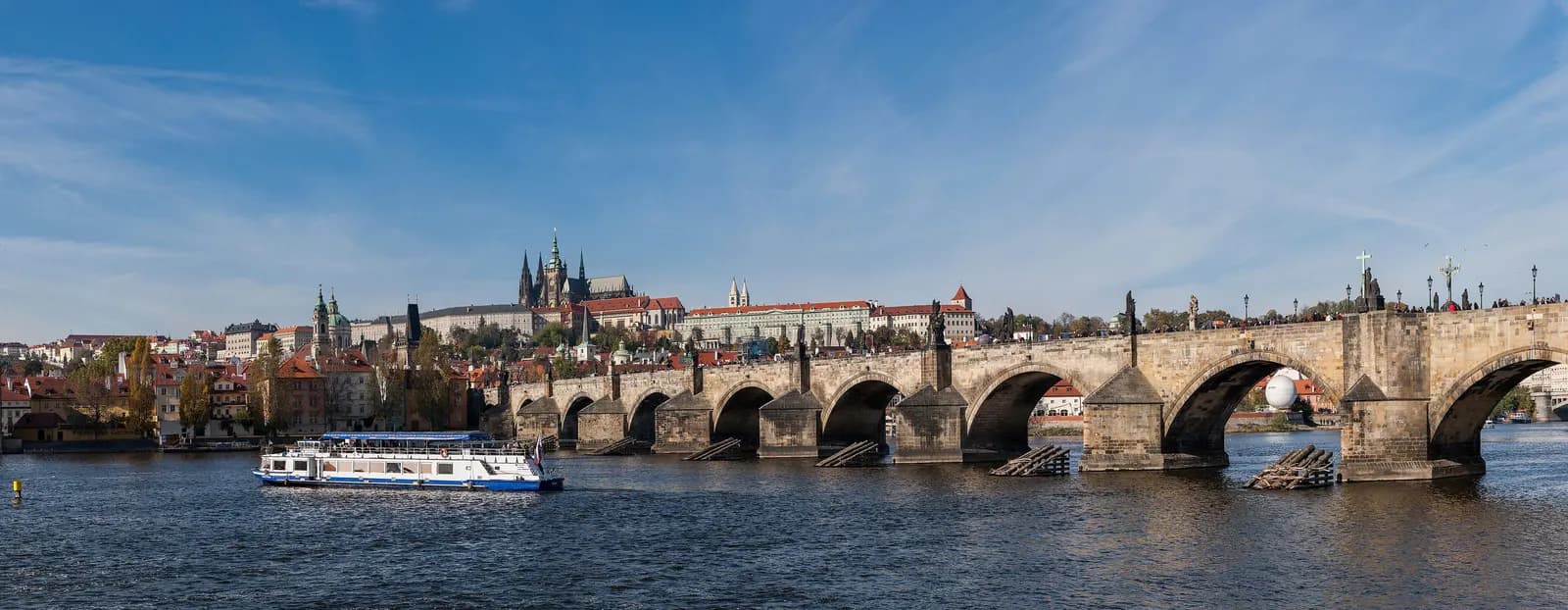
Czechia Nomad Visa
- Income
- 1.5 × the Czech average gross salary set by the Ministry of Labour (no fixed figure on the programme page)
- Stay
- Long-term visa up to 1 year, then a long-term residence permit