Spain Nomad Visa
Spain's international teleworking visa lets qualified non-EU remote workers earning at least 200% of the Spanish minimum wage (about €2,849 a month in 2026) live in Spain for up to a year, then switch to a residence permit of up to three years, renewable for two.
Last checked 25 October 2026

Photo: Jebulon, public domain, via Wikimedia Commons
Spain nomad visa at a glance
- Official name
- Visa for international teleworking (visado para teletrabajo de carácter internacional)
- Income needed
- 200% of the minimum wage (SMI): about €2,849 a month in 2026; +75% of SMI for the first family member, +25% for each extra one
- How long
- Visa up to 1 year; residence permit up to 3 years, renewable for 2 years at a time
- Fees
- National visa fee at the Lagos consulate (38,000 naira as published); €73.26 for a residence permit filed in Spain
- Processing time
- Visas: 10 working days by law (longer if prior consultation applies); permits in Spain: 20 days
- Family
- Yes: spouse or partner, children, and dependent parents, who may also work
- Tax
- Tax resident after more than 183 days in a calendar year; employees on this visa can opt into the special 24% regime
- Where to apply
- Consulate General of Spain in Lagos (covers all of Nigeria), by appointment
- Nigerian passport
- Nigerians need a visa. The Consulate General of Spain in Lagos handles national visas for all of Nigeria; request an appointment by email at cog.lagos.vis@maec.es and submit in person at 21C Kofo Abayomi Street, Victoria Island.
Rules change; confirm with the official site before you apply: Ley 14/2013, articles 74 bis to 76 (Boletín Oficial del Estado).
What is the Spain digital nomad visa?
Spain's digital nomad visa is officially the visa for international teleworking. It was created by Spain's Startups Law (Ley 28/2022), which added it to Ley 14/2013, and it lets non-EU nationals live in Spain while working remotely for companies based outside Spain.
There are two stages. From abroad you apply for the visa, which allows you to live and work remotely in Spain for up to one year. Inside Spain you can then apply for a residence permit for teleworkers, which lasts up to three years.
Who can apply for the Spain digital nomad visa?
Qualified adults from outside the EU who already work remotely for a foreign company can apply. The law and Spain's Large Companies Unit (UGE) set these conditions:
- A university degree, a recognised vocational or business school qualification, or at least three years of professional experience.
- A working relationship with the foreign company of at least three months before you apply.
- The company (or group) must have been genuinely active for at least one year.
- Proof that your job can be done remotely and that the employer allows it.
- No criminal record in Spain or in the countries where you lived in the previous two years, plus a sworn statement covering the last five years.
- Public health cover or private health insurance from an insurer authorised in Spain. The UGE says travel insurance and policies with co-payments or waiting periods are not accepted.
Employees may only work for the foreign employer. Freelancers can also take Spanish clients, as long as that work stays at or below 20% of their total professional activity. If you still need the foreign contract, browse remote jobs first.
How much income do you need for the Spain digital nomad visa?
You must earn at least 200% of Spain's minimum wage (the SMI), counted before tax. Real Decreto 126/2026 set the 2026 SMI at €1,221 a month in 14 payments, or €17,094 a year.
Spread over 12 months that is €1,424.50 a month, so the requirement is about €2,849 a month (€34,188 a year). Law firms reporting on the 2026 increase use the same figure. For family members, the UGE adds 75% of the SMI for the first person and 25% of the SMI for each additional person.
If your contract falls short, the UGE accepts savings or other liquid income in your name that cover the difference for the whole period of the permit.
How long can you stay, and can you renew it?
The visa is valid for up to one year, or less if your contract is shorter. In the 60 days before it expires you can apply in Spain for the teleworker residence permit, which lasts up to three years. After that you can renew for two years at a time while you still meet the conditions.
Spain's law also lets people who are already legally in Spain apply for the residence permit directly to the UGE without first getting the visa.
How much does it cost?
The Consulate General of Spain in Lagos publishes a single national visa fee of 38,000 naira, in force since 1 January 2023. Check the consulate's page for the current amount before paying. If you later apply for the residence permit in Spain, the UGE fee for an initial application is €73.26 per person, paid online.
Also budget for health insurance, translations, legalised documents and, once in Spain, social security contributions.
What documents do you need?
- National visa application form and passport photo
- Passport valid for the planned stay
- Degree certificate or evidence of at least three years' experience
- Employment contract or client contracts showing at least three months of work
- Employer letter allowing remote work from Spain, or the terms of your freelance work
- Company documents showing at least one year of real activity
- Proof of income of at least 200% of the SMI
- Police clearance from every country you lived in during the last two years, and a sworn statement for the last five years
- Health insurance from an insurer authorised in Spain, with no co-payments or waiting periods
- Proof of social security cover: employees need the employer registered in Spain or a certificate under a social security agreement; freelancers must join Spain's self-employed scheme (RETA)
How do you apply from Nigeria?
The Spanish Embassy in Abuja does not process visas. National visas for the whole of Nigeria are handled by the Consulate General of Spain in Lagos, which processes them directly. BLS International handles only short-stay Schengen visas.
- Prepare your documents, including translations into Spanish and legalisation where the consulate asks for it.
- Email cog.lagos.vis@maec.es to request an appointment, giving your full name, the visa type (international teleworking) and your expected travel date.
- Attend the appointment in person at 21C Kofo Abayomi Street, Victoria Island, Lagos, and pay the visa fee.
- Wait for the decision, then collect your passport with the visa.
- Travel to Spain, register with social security, and apply for your foreigner's identity card if required.
- Within 60 days of the visa expiring, apply online to the UGE for the three-year residence permit.
Premium membership includes nomad visa assistance if you want a second pair of eyes on your file.
How long does processing take?
Ley 14/2013 says visa applications under this scheme must be decided and notified within 10 working days, except where the applicant's nationality triggers prior consultation with other Schengen states, in which case the longer Schengen time limits apply. Residence permits filed with the UGE must be decided within 20 days, and if there is no answer by then, the permit is treated as granted.
Do you pay tax in Spain on a digital nomad visa?
Yes, if you become tax resident. Under article 9 of Spain's income tax law you are resident if you spend more than 183 days in Spain in a calendar year, and residents are taxed on worldwide income.
Article 93 of the same law offers a special regime for people who move to Spain, and it names employees holding the international teleworking visa as eligible. If you were not resident in Spain in the previous five years, you can choose to pay tax at 24% on employment income up to €600,000 (47% above that) for the year you move and the next five years. Freelancers should check whether they qualify under a different part of article 93. This is general information, not tax advice.
Can you bring your family?
Yes. Your spouse or partner, minor children, adult children who depend on you financially and dependent parents can apply with you or later. The UGE states that family members' permits allow them to live and work in Spain without restriction, either as employees or self-employed.
What to know before you move
- Working hours: mainland Spain is on UTC+1 in winter, the same as Lagos, and UTC+2 in summer, one hour ahead. The Canary Islands are one hour behind the mainland.
- Social security: registration is compulsory. If you are self-employed and do not register with RETA after getting the permit, the UGE warns the permit can be cancelled for you and your family.
- Health insurance: buy a full health policy from an insurer authorised in Spain, not travel insurance.
- Getting paid: keep contracts, payslips and bank statements in your own name; you will need them again for the permit and renewals.
For other options in southern Europe, compare Portugal's D8 visa and Italy's digital nomad visa.
Official source
Ley 14/2013, articles 74 bis to 76 (Boletín Oficial del Estado). We last checked this page against it on 25 October 2026. Visa rules, fees and income thresholds change, sometimes without notice. Confirm every figure with the official site before you apply or pay.
Spain nomad visa: common questions
Can Nigerians apply for the Spain digital nomad visa?
How much income do I need for the Spain digital nomad visa in 2026?
Do I need a degree for the Spain digital nomad visa?
Can freelancers get the Spain digital nomad visa?
How long can I stay in Spain on the teleworking visa?
How long does Spain take to decide a teleworking visa?
Can my spouse work in Spain if I have the digital nomad visa?
Other nomad visas in Europe
All countries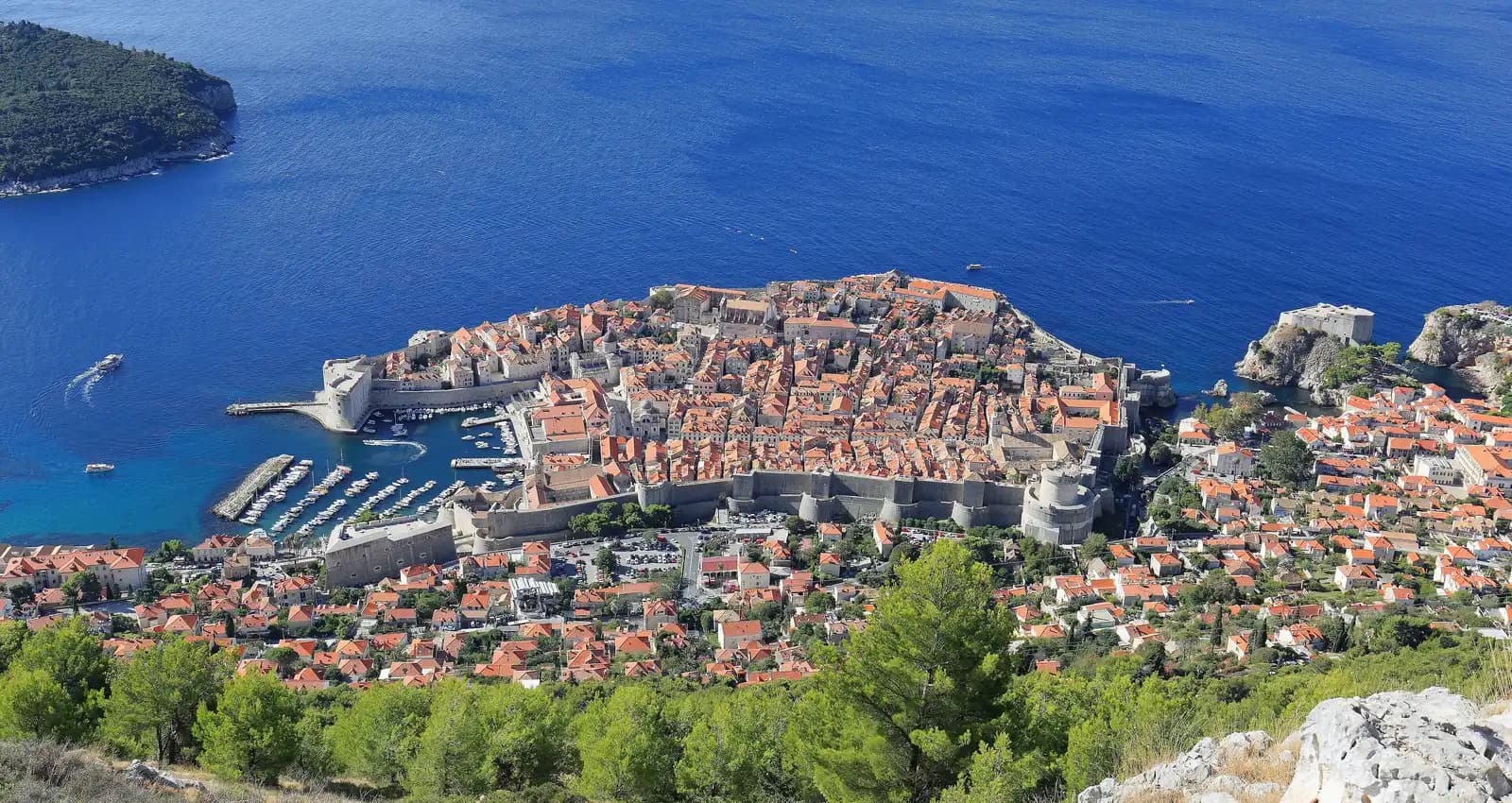
Europe
Croatia Nomad Visa
- Income
- €3,622.50 a month (2.5 × previous year's average net salary), or €43,470 in the bank for 12 months / €65,205 for 18 months; +10% of the average net salary per family member
- Stay
- Up to 18 months; one extension of up to 6 months possible

Europe
Cyprus Nomad Visa
- Income
- €3,500 a month net, after tax and contributions; +20% for a spouse or partner, +15% per child
- Stay
- 1 year, renewable for up to 2 more years
 Not open to Nigerian passports
Europe
Czechia Nomad Visa
- Income
- 1.5 × the Czech average gross salary set by the Ministry of Labour (no fixed figure on the programme page)
- Stay
- Long-term visa up to 1 year, then a long-term residence permit