Germany Nomad Visa
Germany has no digital nomad visa; the nearest route for a Nigerian remote worker is the freelance residence permit under section 21(5) of the Residence Act, which has no fixed income figure but needs real clients, secure living costs and approval from the local foreigners' authority.
Note: Germany has no digital nomad visa; remote workers usually look at the freelance or self-employment residence permit instead.
Last checked 25 October 2026
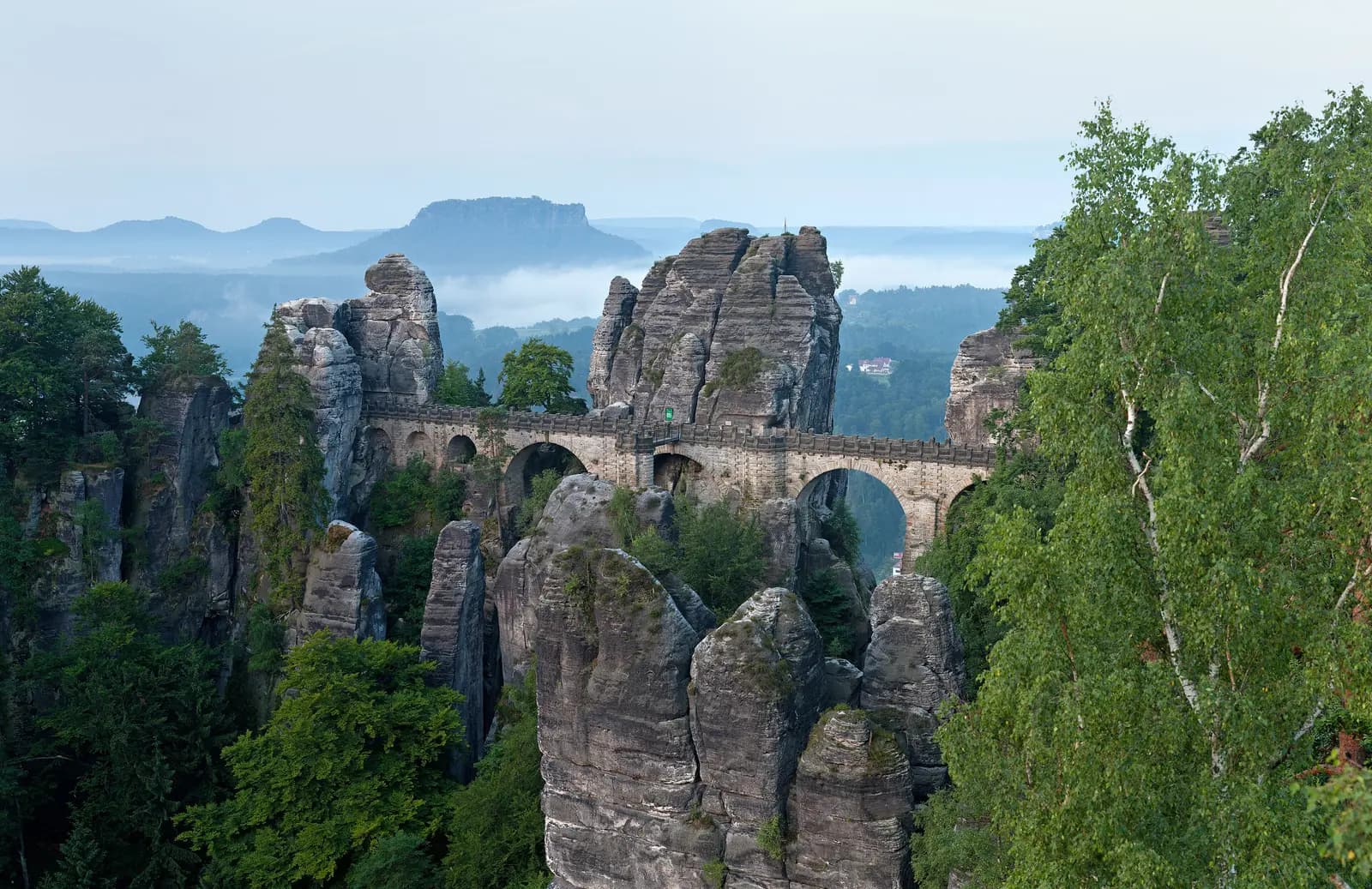
Photo: Thomas Wolf (www.foto-tw.de), CC BY-SA 3.0 DE, via Wikimedia Commons
Germany nomad visa at a glance
- Official name
- No digital nomad visa; freelance residence permit (section 21(5) Residence Act)
- Income needed
- No fixed figure; you must show your living costs are covered (and a pension plan if over 45)
- How long
- Set by the local foreigners' authority; business self-employment permits run up to 3 years
- Fees
- €75 national visa fee (paid in naira at the mission)
- Processing time
- Varies; the local foreigners' authority must be consulted
- Family
- Spouse and children can apply for family reunion visas
- Tax
- Fully taxable with a home in Germany or a stay of more than six months
- Where to apply
- German Consulate General Lagos (Embassy Abuja only in listed cases)
- Nigerian passport
- Nigerians need a visa for Germany. Long-stay (national) visas are applied for in person by appointment, as a rule at the German Consulate General in Lagos; the Embassy in Abuja handles only listed cases.
Rules change; confirm with the official site before you apply: German Missions in Nigeria - National visa.
Does Germany have a digital nomad visa?
No. Germany has no visa for people who want to live there while working for a foreign employer. The Federal Foreign Office's Visa Handbook, the internal rulebook German missions use (edition of August 2026), contains no remote work or digital nomad category.
Some websites report that a German remote work visa is coming. We could not find it in any official German source, so treat those reports as unconfirmed. The legal routes that exist today are the freelance permit and the self-employment permit, both in section 21 of the Residence Act (Aufenthaltsgesetz). Neither is a nomad visa: both expect you to build a working life in Germany.
Who can use the freelance route?
The freelance permit under section 21(5) is meant for the "liberal professions" listed in German income tax law. That list covers self-employed scientific, artistic, writing, teaching and educational work, plus professions such as engineers, architects, journalists, translators, interpreters, tax advisers and business consultants, "and similar professions". Regulated professions, such as doctors or lawyers, also need their licence granted or promised before the permit is issued.
If you write, design, translate, teach, consult or do engineering work for several clients, this is the route to examine. Whether your exact work counts as a liberal profession is decided case by case by the authorities.
A full-time employee of a foreign company is not a freelancer. The Visa Handbook says the mission checks whether the applicant would really work like an employee. If so, it treats the case as false self-employment and refuses it, or treats it as an application to come for employment instead.
What about the self-employment (business) permit?
Section 21(1) covers people setting up a business, including one-person businesses. You must show an economic interest or a regional need for your business, a positive effect on the economy, and financing from your own capital or a loan commitment. The authorities look at how viable the idea is, your experience, the capital invested, jobs and training created, and any contribution to innovation.
The Visa Handbook gives an example from Berlin's foreigners' authority of what a business plan should contain: company profile, business plan, concept, capital needs, financing plan, marketing strategy, revenue forecast and CV. This route suits someone opening a real company in Germany, not someone keeping a foreign job.
How much income do you need?
There is no fixed income figure in the law. Instead, the authorities must be satisfied that your living costs are covered, and that your clients or business can support you. Applicants over 45 should only be granted the permit if they have adequate provision for old age (section 21(3)).
Because there is no published amount, be wary of any site quoting one. Ask the foreigners' authority (Ausländerbehörde) in the city where you plan to live what it expects to see.
How long can you stay, and can you renew it?
A business self-employment permit is issued for at most three years. After three years you can get a settlement permit if the business has succeeded and your income supports you and your family (section 21(4)). That three-year limit and the faster settlement rule do not apply to freelancers, so the foreigners' authority sets the length of a freelance permit and you follow the general rules for permanent residence.
How much does it cost?
The national visa fee at the German missions in Nigeria is €75, paid in naira at the current exchange rate, in cash or by POS. It is not refunded if the visa is refused. Fees for the residence permit you collect in Germany are set separately; check them with your local foreigners' authority.
What documents do you need?
The German missions in Nigeria do not publish a separate checklist for freelancers, so contact the consulate before booking. Based on the Visa Handbook and the self-employment checklists of other German missions, expect to need:
- A valid passport and the completed national visa application form, with passport photos.
- A detailed description of your planned work or business, and how it meets the legal conditions.
- Evidence of clients or demand, such as contracts or letters of intent, and a revenue forecast.
- Your CV and proof of qualifications.
- Proof of the money you have to live on and to finance the work.
- Proof of a pension plan if you are over 45, and a licence if your profession is regulated.
- Health insurance for Germany (see below).
How do you apply from Nigeria?
- Line up the work first: clients, contracts or a business plan. If you still need clients, start with remote jobs and freelance contracts.
- Contact the foreigners' authority in the German city where you plan to live and ask what it requires, because it must approve a self-employment or freelance visa.
- Book a free appointment for a national visa. As a rule the German Consulate General in Lagos handles visa applications. The Embassy in Abuja only takes listed cases for residents of certain northern states and the FCT.
- Attend in person with all originals plus one set of copies. Fingerprints are taken and you will be asked about your plans. Pay the €75 fee.
- Wait while the mission consults the authorities in Germany. If approved, show the incoming health insurance the mission asks for and collect your visa.
- After arriving, register your address and contact the foreigners' authority to get your residence permit.
Booking an appointment is free, and the missions discourage paid booking agents. Applications with forged documents are refused at once and can lead to a Schengen-wide entry ban.
How long does processing take?
There is no fixed time. The missions say processing varies case by case because the authority in Germany must be consulted, so apply early. They do not answer status questions during the first four weeks for most categories.
Do you pay tax in Germany as a freelancer?
Very likely, yes. Under the Income Tax Act, people with a home or habitual abode in Germany are taxable on their worldwide income. The Fiscal Code treats a continuous stay of more than six months as a habitual abode from the first day, with short breaks ignored. A freelancer living in Germany should expect to register with the tax office there. This is general information, not tax advice.
Can you bring your family?
Yes, through a separate family reunion visa. The German missions in Nigeria list visas for reunion with a spouse and for children joining a parent in Germany, each with its own document list. Plan for the extra living costs, since the authorities will look at whether the whole family is supported.
What to know before you move
- Working hours: Germany is on Central European Time. In winter that is UTC+1, the same as Lagos; from late March to late October it is UTC+2, one hour ahead.
- Health insurance: the missions ask for incoming health insurance without cancellation clauses for long stays, covering you from arrival until German insurance starts.
- Registration: after arrival you must register your address and book an appointment with the foreigners' authority.
If you would rather have a dedicated nomad permit, compare Estonia, Spain or Croatia. Premium membership includes nomad visa assistance if you want help choosing.
Official source
German Missions in Nigeria - National visa. We last checked this page against it on 25 October 2026. Visa rules, fees and income thresholds change, sometimes without notice. Confirm every figure with the official site before you apply or pay.
Germany nomad visa: common questions
Can Nigerians apply for the Germany digital nomad visa?
Can I work remotely for a foreign employer on a German freelance visa?
How much money do I need for a German freelance visa?
Where do Nigerians apply for a German long-stay visa?
How much is the German national visa fee in Nigeria?
Is a German remote work visa coming in 2026?
Other nomad visas in Europe
All countries
Europe
Croatia Nomad Visa
- Income
- €3,622.50 a month (2.5 × previous year's average net salary), or €43,470 in the bank for 12 months / €65,205 for 18 months; +10% of the average net salary per family member
- Stay
- Up to 18 months; one extension of up to 6 months possible
Europe
Cyprus Nomad Visa
- Income
- €3,500 a month net, after tax and contributions; +20% for a spouse or partner, +15% per child
- Stay
- 1 year, renewable for up to 2 more years
 Not open to Nigerian passports
Europe
Czechia Nomad Visa
- Income
- 1.5 × the Czech average gross salary set by the Ministry of Labour (no fixed figure on the programme page)
- Stay
- Long-term visa up to 1 year, then a long-term residence permit