Dubai Nomad Visa
Dubai's remote work visa is a one-year, renewable UAE residence visa for people who work remotely for an employer or business outside the UAE and earn at least US$3,500 a month, with health insurance and no local sponsor.
Last checked 25 October 2026
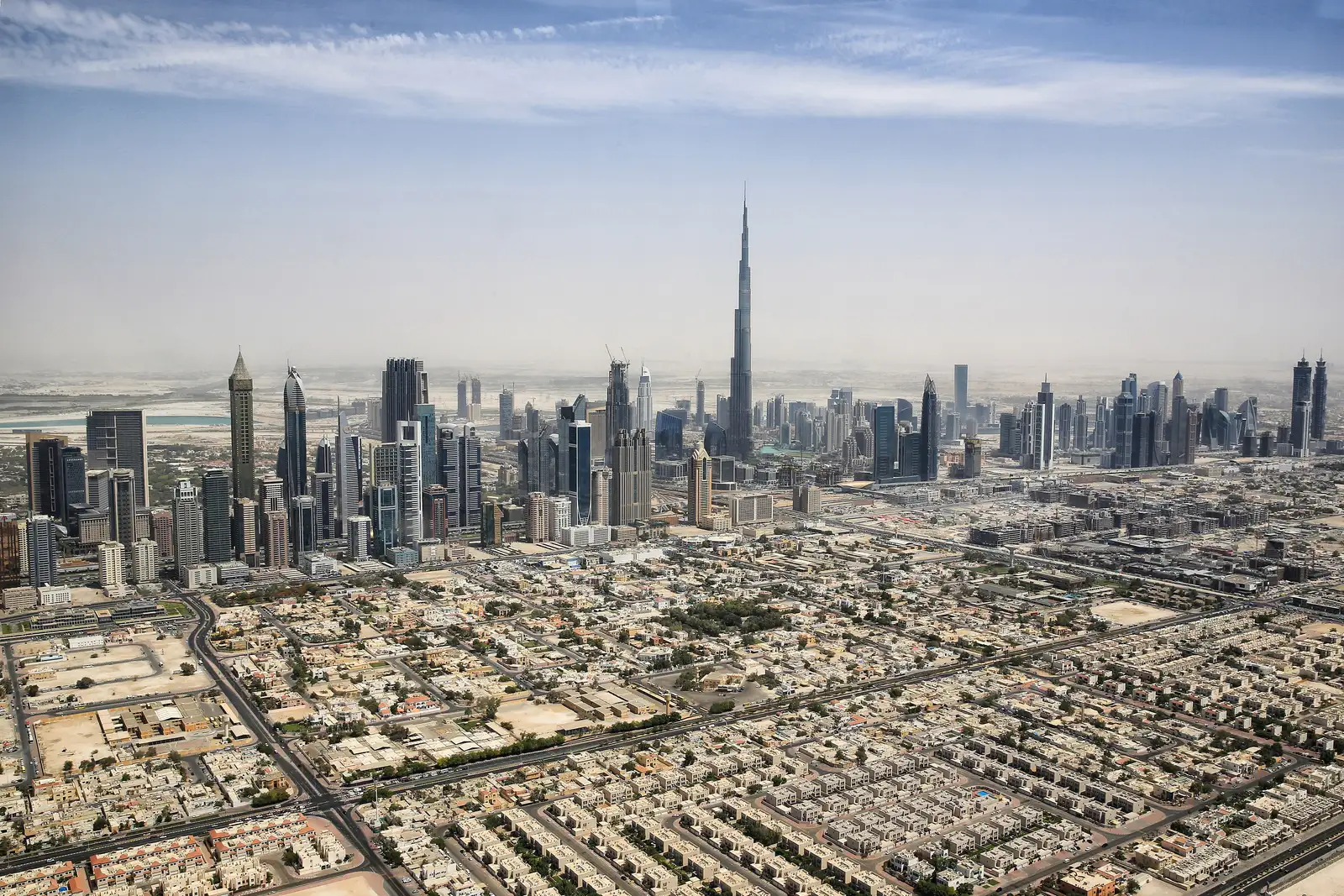
Photo: Tim Reckmann, CC BY 2.0, via Wikimedia Commons
Dubai nomad visa at a glance
- Official name
- Virtual work (remote work) residence visa, UAE
- Income needed
- US$3,500 a month or the equivalent
- How long
- 1 year, renewable
- Fees
- Entry visa AED 200 + 5% VAT; residence permit AED 200 + AED 20 in add-ons and AED 20 delivery (AED 500 more if applying from inside the UAE). Medical test and Emirates ID are extra.
- Processing time
- 48 hours per stage (GDRFA Dubai service standard)
- Family
- Yes: GDRFA says holders can sponsor family for the same period
- Tax
- The UAE does not levy income tax on individuals
- Where to apply
- Online through GDRFA Dubai (website or smart app), or at an Amer centre
- Nigerian passport
- The remote work route starts with an entry permit that GDRFA Dubai issues online, so there is no embassy step in Nigeria. For general UAE entry rules for Nigerian passports, check the Federal Authority for Identity, Citizenship, Customs and Port Security at icp.gov.ae before you travel.
Rules change; confirm with the official site before you apply: General Directorate of Residency and Foreigners Affairs (GDRFA) Dubai.
What is the Dubai digital nomad visa?
It is a UAE residence visa for remote workers. Dubai's immigration authority, the General Directorate of Residency and Foreigners Affairs (GDRFA), calls it the virtual work visa: it lets a foreigner who works remotely for an organisation outside the UAE live in the country for one year without a local employer or sponsor.
The important detail is that this is a residence visa, not a long tourist stamp. You go through the same steps as other UAE residents (entry permit, medical fitness test, Emirates ID and a residence permit), and you can renew it each year while you still qualify. Dubai first marketed the idea as its virtual working programme; the visa is now part of the UAE's federal residence system, and Abu Dhabi's Residents Office lists the same scheme with the same income floor.
What it does not allow is a job with a UAE company. The visa is for work done for an employer or clients abroad.
Who can apply for the Dubai digital nomad visa?
Any foreigner who can prove two things: that they work remotely for an entity outside the UAE, and that they earn at least US$3,500 a month. GDRFA says no guarantor or host inside the country is needed.
- Employees of a foreign company that lets them work remotely.
- People whose work is done for an organisation registered outside the UAE, with proof that the work is remote.
- You also need a passport valid for at least six months and health insurance that is valid in the UAE.
GDRFA's checklist asks for proof of remote work and a salary certificate. If you freelance through your own company abroad, prepare documents that show that company and its income clearly, and expect the officer to decide whether they fit.
How much income do you need for the Dubai digital nomad visa?
At least US$3,500 a month, or the same amount in another currency. GDRFA Dubai and the Abu Dhabi Residents Office both publish this figure.
GDRFA asks for a salary certificate showing the amount, together with proof that you work remotely for an organisation outside the UAE. Keep recent payslips and bank statements that show the money arriving, because officers can ask for more than the minimum list.
How long can you stay, and can you renew it?
The residence permit is issued for one year and can be renewed. After the entry permit is approved you have 60 days from arrival to complete the residence steps.
Renewal uses the same documents again: photo, passport, health insurance, a new medical fitness result, proof of remote work and a salary certificate for US$3,500 a month. GDRFA also lists a 60-day grace period to stay in the UAE after the permit expires or is cancelled.
How much does it cost?
GDRFA's own fees are modest, but they are charged at each stage and other costs sit on top. These are the amounts on GDRFA Dubai's pages:
- Entry visa (virtual work): AED 200 plus 5% VAT.
- Residence permit: AED 200, plus AED 10 Knowledge Dirham, AED 10 Innovation Dirham and AED 20 delivery.
- If you apply from inside the UAE: an extra AED 500 fee at each stage.
- Renewal: the same AED 200 plus the same add-ons.
GDRFA notes that the total can vary with your circumstances. The medical fitness test, Emirates ID and health insurance are paid separately, and their prices are not on the GDRFA pages, so budget for them and check the current amounts when you apply.
What documents do you need?
GDRFA Dubai lists the following for the residence permit stage:
- A recent colour photo on a white background.
- A copy of your passport, valid for at least six months.
- A copy of health insurance valid in the UAE.
- The result of the medical fitness test (done after you arrive).
- Proof that you work remotely for an organisation outside the UAE.
- A salary certificate showing at least US$3,500 a month or the equivalent.
- The Emirates ID application receipt.
The list can change depending on what you enter in the form, so read what the system asks for before paying.
How do you apply from Nigeria?
You apply online to GDRFA Dubai; there is no step at a UAE embassy in Abuja. The process has two stages: an entry visa, then residence.
- Line up the basics first: a remote job or contract with an organisation outside the UAE, at least US$3,500 a month in income, and a passport with six months or more of validity. If you are still looking for that role, start with our remote jobs listings.
- Buy health insurance that covers you in the UAE.
- Apply for the virtual work entry visa on the GDRFA Dubai website or smart app (log in with UAE Pass or a username), upload the documents and pay the fee. An Amer service centre can also submit for you.
- Once approved, travel to Dubai. You have 60 days from entry to complete the residence steps.
- Do the medical fitness test and apply for your Emirates ID.
- Apply for the virtual work residence permit with the medical result and ID receipt.
If you would rather have help with the paperwork, our Premium membership includes nomad visa assistance.
How long does processing take?
GDRFA Dubai gives an expected completion time of 48 hours for both the entry visa and the residence permit, once the application is complete. Missing documents, medical appointments and Emirates ID steps add time, so plan for the whole process to take longer than the headline figure.
Do you pay tax in Dubai on a digital nomad visa?
The UAE government states that it does not levy income tax on individuals, so your salary is not taxed in the UAE. That is not the end of the question, though.
Your obligations in Nigeria, or in the country where your employer sits, depend on those countries' own rules, and a UAE residence visa does not cancel them automatically. If you run a business rather than earn a salary, UAE corporate tax rules may also matter. This is general information, not tax advice.
Can you bring your family?
Yes. GDRFA Dubai says a virtual work visa holder can sponsor family members for the same period as their own residence. Each family member goes through their own residence steps and fees, so check the family sponsorship requirements on the GDRFA site before you move.
What to know before you move
- Working hours: the UAE is on UTC+4, three hours ahead of Lagos (WAT, UTC+1). Overlap with Nigerian or European clients is easy; US clients mean late evenings.
- No local jobs: the visa is for remote work for employers or clients outside the UAE. A UAE job needs a different residence route.
- Getting paid: keep your foreign employer paying into an account you control and keep the statements, because renewal asks you to prove the US$3,500 a month again. UAE banks set their own rules for opening accounts, so ask them directly what they need.
- Health insurance: it is mandatory for issue and renewal, and the medical fitness test is part of the residence process.
- Renting: landlords usually ask for residence documents. Get your residence permit and Emirates ID sorted early in your 60-day window.
If Dubai's cost of living or income bar does not suit you, compare Thailand and Sri Lanka, which also run remote work visas.
Official source
General Directorate of Residency and Foreigners Affairs (GDRFA) Dubai. We last checked this page against it on 25 October 2026. Visa rules, fees and income thresholds change, sometimes without notice. Confirm every figure with the official site before you apply or pay.
Dubai nomad visa: common questions
Can Nigerians apply for the Dubai digital nomad visa?
Is the Dubai remote work visa a residence visa?
How much do I need to earn for the Dubai remote work visa?
Can I work for a Dubai company on this visa?
Do I pay income tax in Dubai as a remote worker?
Can I sponsor my family on a Dubai virtual work visa?
How long does the Dubai remote work visa take?
Other nomad visas to compare
All countries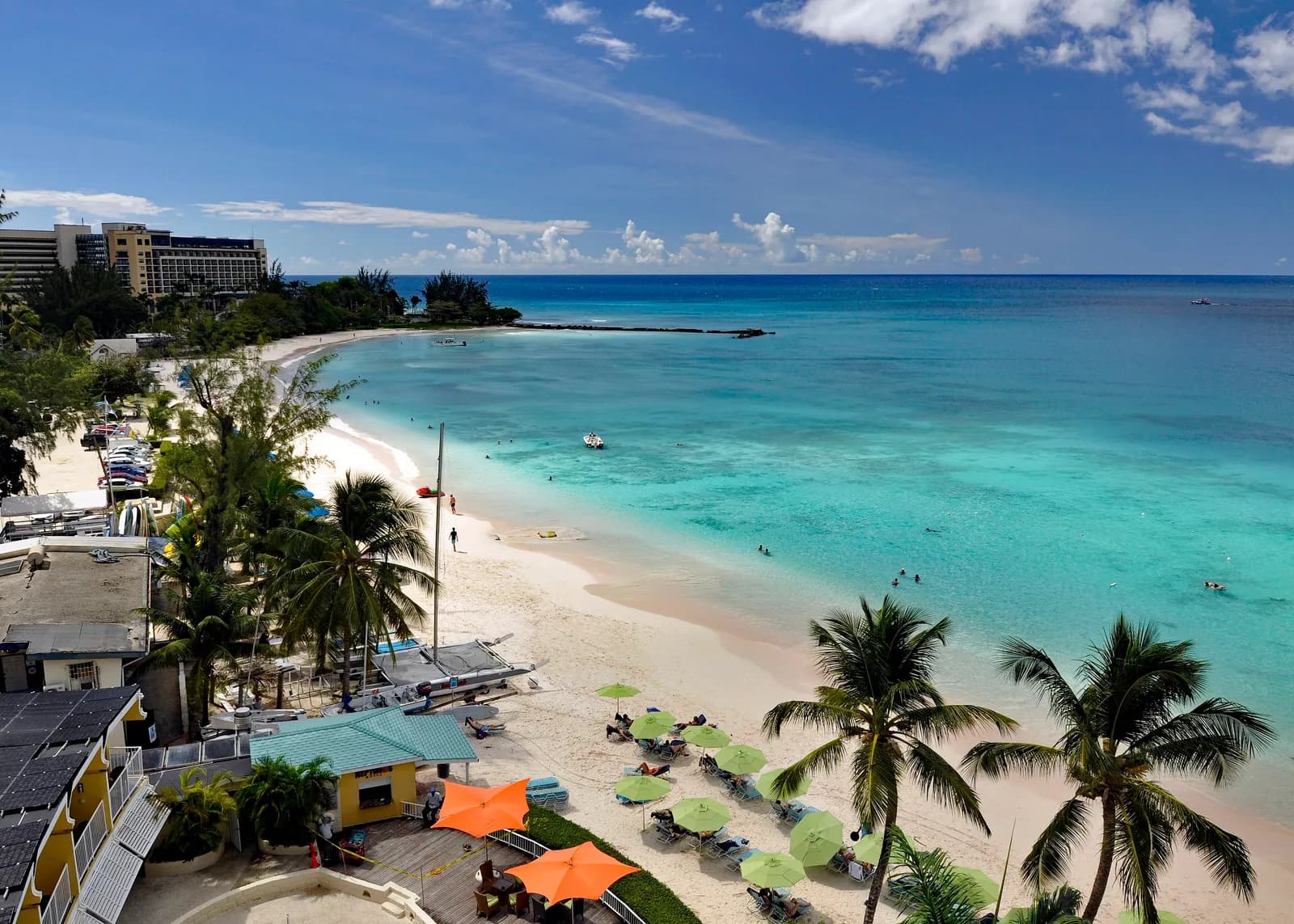
Caribbean
Barbados Nomad Visa
- Income
- US$50,000 expected over the 12 months
- Stay
- 12 months; you can apply again (renewal form available)
 EU, UK, US or Canada citizens and residents only
Americas
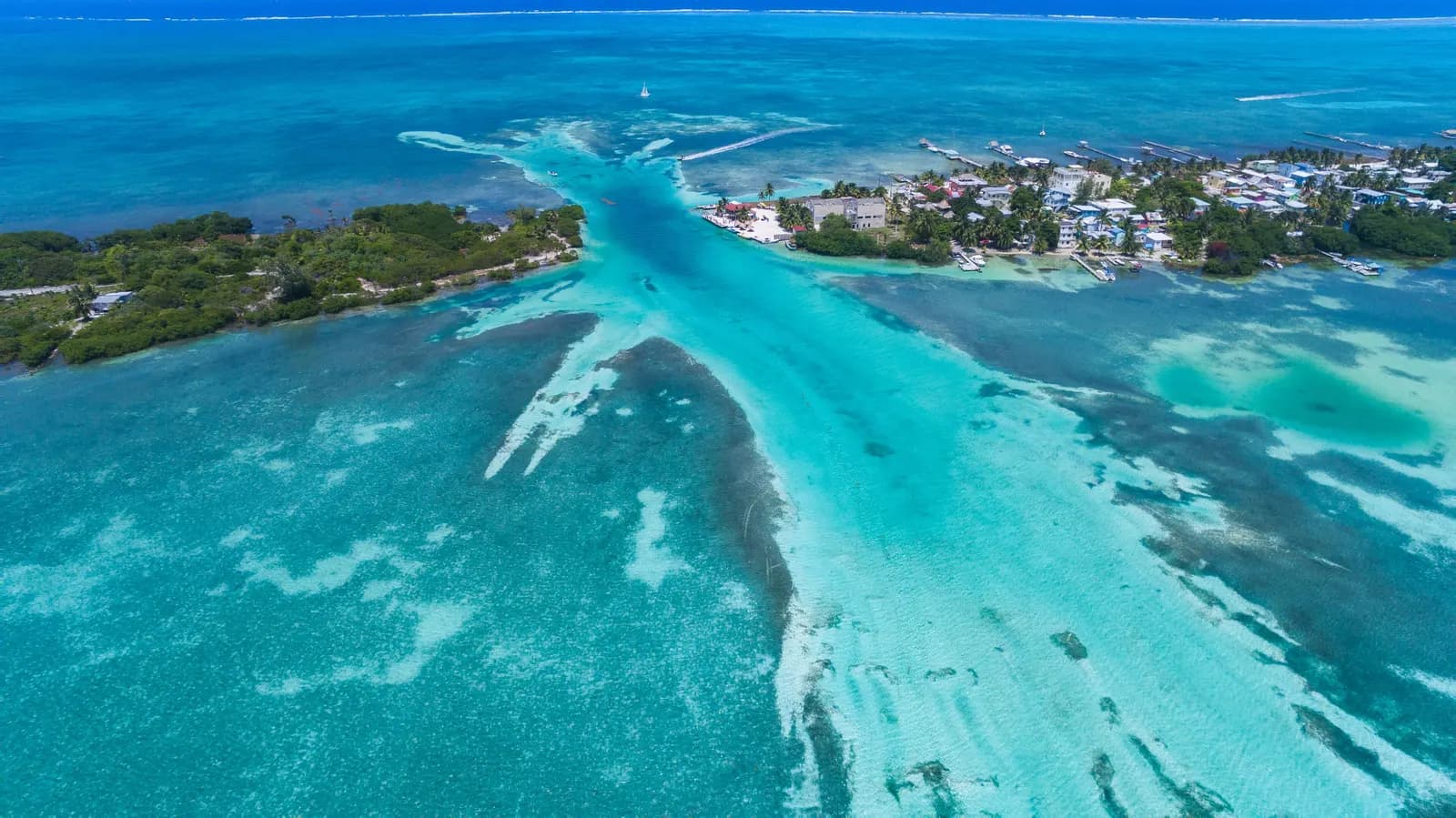
Belize Nomad Visa
- Income
- US$75,000 a year (US$100,000 if applying with dependants)
- Stay
- Up to 6 months in a calendar year; cannot be extended

Americas
Brazil Nomad Visa
- Income
- US$1,500 a month from a foreign source, or US$18,000 in the bank (CNIg Resolution 45/2021, as reported by law firms; not stated on the consular pages)
- Stay
- 1 year of residence, renewable for 1 more year