Curaçao Nomad Visa
Curaçao's @HOME remote worker permit lets people employed by, or contracted to, companies abroad live on the island for up to six months (the programme says one six-month extension is possible), with no published minimum income and a fee of XCG 535 per person.
Last checked 25 October 2026
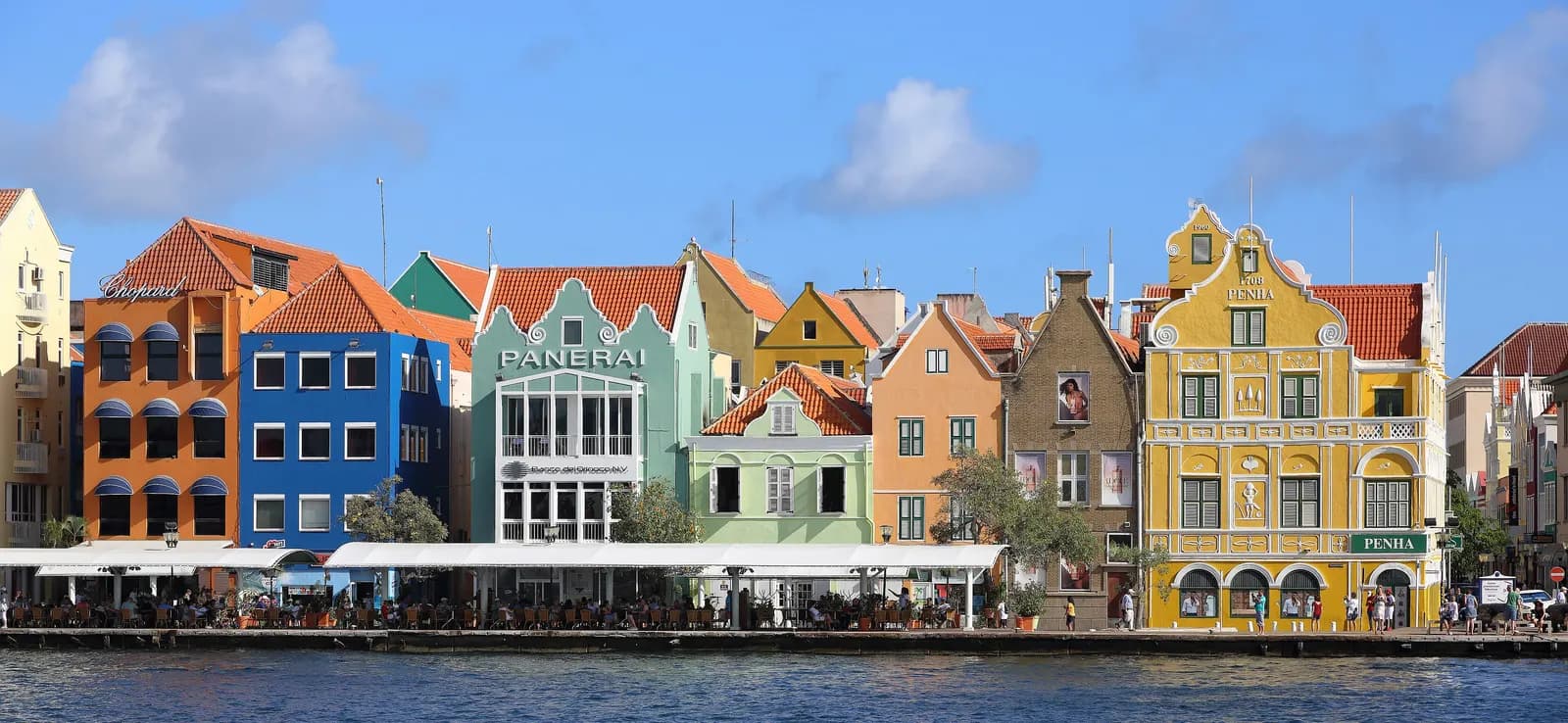
Photo: Martin Falbisoner, CC BY-SA 4.0, via Wikimedia Commons
Curaçao nomad visa at a glance
- Official name
- @HOME in Curaçao: short-stay residence permit for remote workers
- Income needed
- No minimum published; proof of foreign employment or client contracts required
- How long
- Up to 6 months; the @HOME FAQ says one 6-month extension is possible (1 year in total)
- Fees
- XCG 535 per applicant (the @HOME FAQ gives about US$294)
- Processing time
- Up to 4 months by law; the @HOME FAQ estimates about 2 weeks
- Family
- Yes: each family member files a separate application and pays the fee
- Tax
- The official @HOME FAQ says permit holders do not pay Curaçao income tax
- Where to apply
- Online to the Admission Office (Immigratiedienst Curaçao); a first application is decided while you are abroad
- Nigerian passport
- Nigerian passport holders need a Caribbean visa for Curaçao unless they hold a qualifying document such as a multiple-entry Schengen, UK or Irish visa, or a US or Canadian residence permit. Nigerian residents cannot apply in Abuja or Lagos; they apply at the Netherlands embassy in Cotonou, Benin, or at VFS Global in Ghana.
Rules change; confirm with the official site before you apply: Immigratiedienst Curaçao (Admission Office, Ministry of Justice): Short stay.
What is the Curaçao digital nomad visa?
Curaçao does not issue a document called a digital nomad visa. What it offers is a short-stay residence permit for remote workers, promoted by the Curaçao Tourist Board as @HOME in Curaçao and decided by the government's Admission Office (Toelatingsorganisatie), part of Immigratiedienst Curaçao under the Ministry of Justice.
The permit lets you live on the island for up to six months while you keep working for an employer or clients based abroad. It does not allow you to take a job with a local company, and it does not lead to residence. In October 2026 the Admission Office still lists "Remote worker/Digital nomad" as a short-stay purpose, and the @HOME site says applications are open.
Who can apply for the Curaçao digital nomad visa?
Any nationality can apply, according to the @HOME FAQ. You must be able to do your work from anywhere using the internet and telecoms, and you must fit one of three profiles:
- an employee with a contract with an employer registered outside Curaçao;
- a partner or shareholder in a company registered outside Curaçao;
- a freelancer or consultant with contracted clients based abroad.
The Admission Office puts it more briefly: you qualify if you come to work for up to six months and your employer abroad lets you work remotely. Being employed by, or working for, a company in Curaçao is not allowed on this permit, so you need remote jobs or clients outside the island before you apply.
Dutch and US citizens use a different route (a "Declaration van Rechtswege") because of their special admission rights. Everyone else, including Nigerians, uses the short-stay remote worker permit described here.
How much income do you need for the Curaçao digital nomad visa?
No minimum income is published. Neither the Admission Office nor the @HOME FAQ sets a figure for remote workers. Instead you show your means of support with documents from your employer or your own company.
The Admission Office accepts a recent employer's declaration from your employer in your country of origin, a recent certified copy of your employment contract, or a recent declaration of assignment if you run your own company there. Because there is no fixed threshold, it is sensible to have recent payslips or bank statements ready in case the office asks how you will support yourself.
How long can you stay, and can you renew it?
The permit is for a maximum of six months. The @HOME FAQ says you can ask for one further six months, giving a total of one year, and that holders are not treated as residents.
If you want to stay beyond that, you would need a different residence purpose. The Admission Office lists separate permits for investors, retirees and people with private income (rentiers), local employment and family reunification, each with its own conditions.
How much does it cost?
The fee for a first short-stay application is XCG 535 per applicant, paid before you submit. The @HOME FAQ, which still quotes the figure as ANG 535, gives an equivalent of about US$294. Curaçao now uses the Caribbean guilder (XCG), which replaced the Netherlands Antillean guilder in 2025, and the Admission Office quotes fees in XCG.
You pay by bank transfer to the government account at Maduro & Curiel's Bank; the payment order form on the Admission Office site has the details. Put your full first and last name and your date of birth in the reference, and keep the proof of payment because you must upload it. You bear your own international transfer and exchange charges, and there is no family discount: every person pays the full fee.
What documents do you need?
- Proof that the fee has been paid.
- A clear scan of your passport photo page, plus the signature page if it is separate. The passport must be valid for at least six months when you apply.
- Proof of means of support: a recent employer's declaration or certified employment contract, or a recent declaration of assignment if you own a company abroad.
- Valid medical insurance. The @HOME FAQ makes this a condition of approval.
- A return ticket that matches the approved stay. The @HOME FAQ says one-way tickets are not accepted.
- If someone applies on your behalf: an original authorisation letter signed by you (not older than six months) and a copy of their valid ID.
Everything is uploaded as PDF scans, and the Admission Office is strict about quality: scans must be straight, legible, unedited and unobstructed, with passports shown fully and in colour.
How do you apply from Nigeria?
- Make sure you have a remote job or contracted foreign clients, and the paperwork to prove it.
- Check whether you need a visa to travel. Nigerians normally do, unless they hold a qualifying document such as a multiple-entry Schengen visa, a multiple-entry UK or Irish visa, or a US or Canadian residence permit.
- Pay the XCG 535 fee for each person to the account on the Admission Office payment order.
- Submit the application online through the Admission Office's submission page, with every document scanned as a PDF. Each family member needs a separate application.
- Wait for the decision outside Curaçao. The Admission Office says a first application must be awaited abroad, and the decision is sent by email.
- If approved and you need a visa, apply for it at the Netherlands embassy in Cotonou, Benin, or through VFS Global in Ghana. The Dutch government says Nigerian residents cannot apply in Abuja or Lagos, and that stays over 90 days need a long-stay visa for collecting a residence permit.
- Travel, then book an appointment with the Admission Office to collect your permit.
The @HOME FAQ says you can also apply while on the island as a tourist. That conflicts with the Admission Office rule above, so follow the Admission Office. If you want help checking your documents, WorkRemote Premium membership includes nomad visa assistance.
How long does processing take?
The Admission Office has up to four months to decide. The @HOME FAQ estimates about two weeks, but plan for the longer period, particularly if you also need a visa appointment in Cotonou or Accra.
If you are refused, you have six weeks to file a notice of objection by email to the Admission Office.
Do you pay tax in Curaçao on a digital nomad visa?
The official @HOME FAQ says holders of the remote worker permit are not required to pay income tax in Curaçao. The permit also does not make you a resident of Curaçao.
Your tax position in Nigeria, or wherever else you are tax resident, is a separate question that this permit does not change. This is general information, not tax advice.
Can you bring your family?
Yes. Your spouse and children can come, but each one files a separate short-stay application and pays the full XCG 535 fee.
For family members you also provide documents proving the family relationship, such as marriage or birth certificates. For anyone under 18, you need proof that their legal representative agrees to the stay. The @HOME FAQ adds that applicants aged 12 and over must sign their own application form.
What to know before you move
- Working hours: Curaçao is on UTC-4 all year, five hours behind Lagos. A 2pm Lagos call is 9am in Willemstad, and US East Coast business hours overlap almost entirely.
- Tourist days: the Admission Office says nationals of visa-required countries are normally admitted as tourists for 30 days, so the permit is the route to a longer stay.
- Getting paid: the permit assumes your income comes from abroad. Keep being paid by your foreign employer or clients, and do not take local work.
- Health insurance: required for approval. The @HOME FAQ says local insurance options exist if cover is hard to get in your home country.
- Return ticket: book one that fits your approved dates, as a one-way ticket will not be accepted.
If Curaçao does not fit, compare other Caribbean options such as Barbados and Antigua and Barbuda.
Official source
Immigratiedienst Curaçao (Admission Office, Ministry of Justice): Short stay. We last checked this page against it on 25 October 2026. Visa rules, fees and income thresholds change, sometimes without notice. Confirm every figure with the official site before you apply or pay.
Curaçao nomad visa: common questions
Can Nigerians apply for the Curaçao digital nomad visa?
Is there a minimum income for Curaçao's remote worker permit?
How long can I stay in Curaçao on the @HOME permit?
How much does the Curaçao remote worker permit cost?
Can I apply while I am in Curaçao as a tourist?
Do I pay income tax in Curaçao on the @HOME permit?
Can I work for a company in Curaçao on this permit?
Other nomad visas in Caribbean
All countries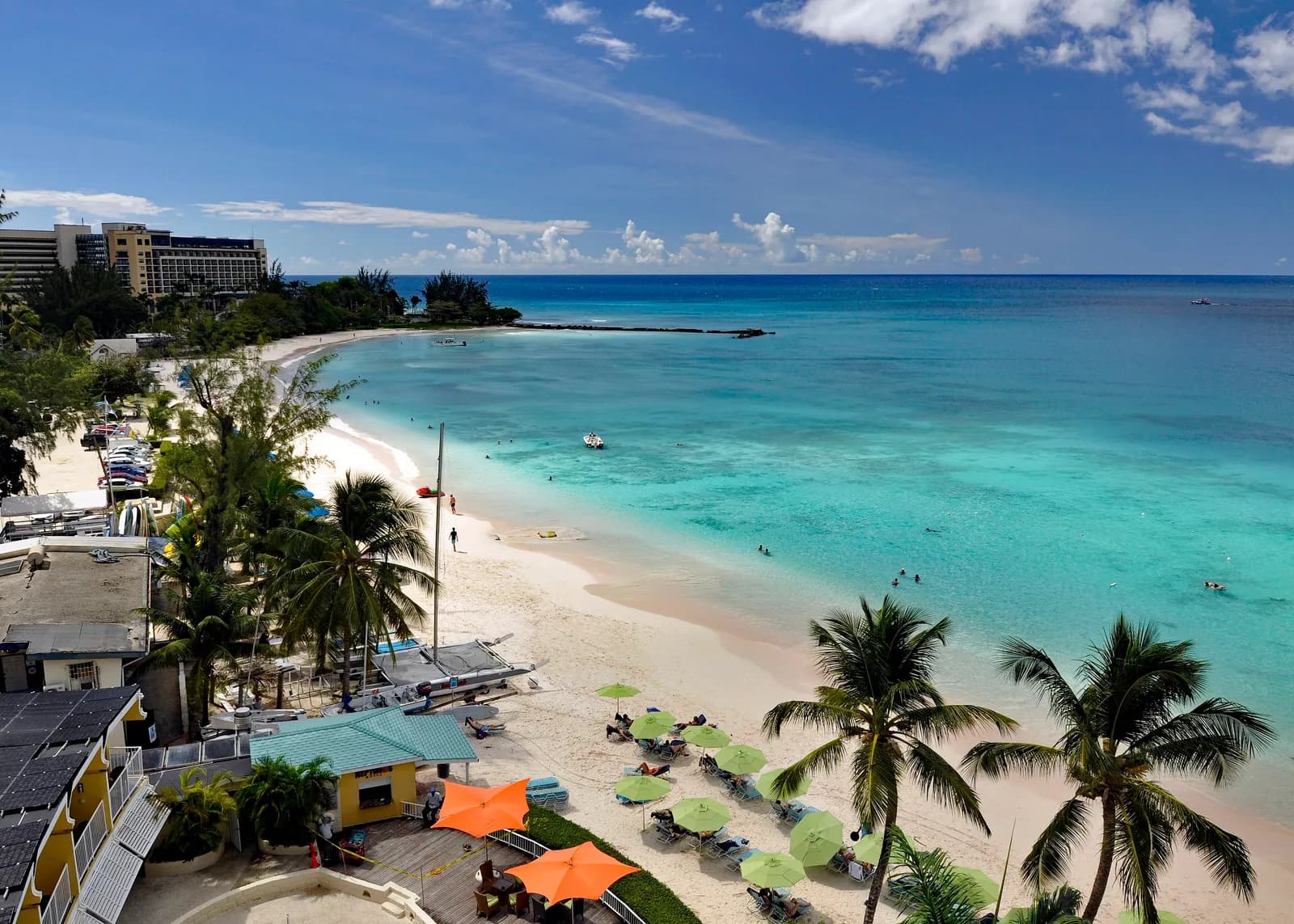
Caribbean
Barbados Nomad Visa
- Income
- US$50,000 expected over the 12 months
- Stay
- 12 months; you can apply again (renewal form available)
Caribbean
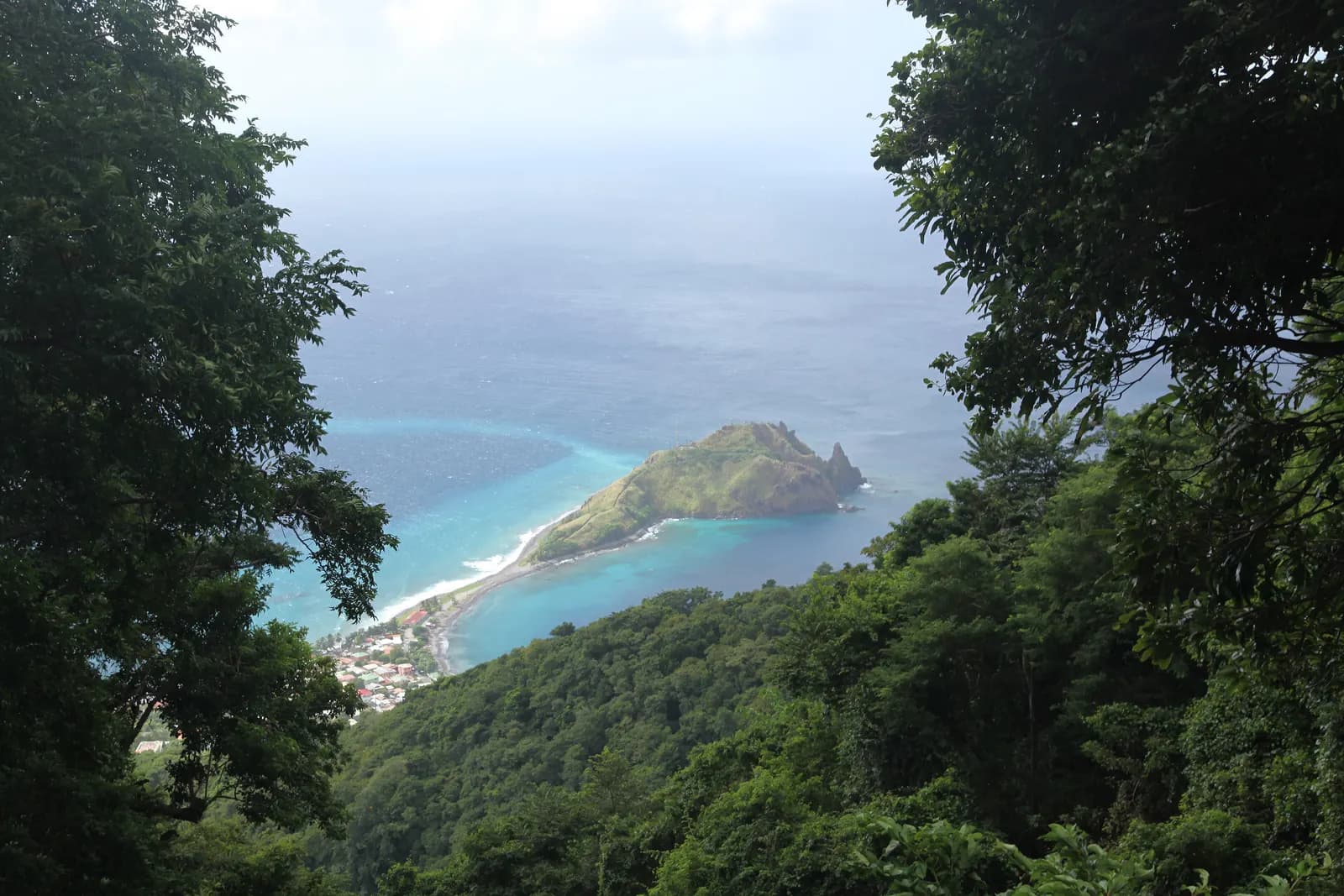
Dominica Nomad Visa
- Income
- Expected income of US$50,000 or more over the next 12 months, and/or the means to support yourself and your family
- Stay
- Up to 18 months from arrival; renewal not explained officially
Caribbean
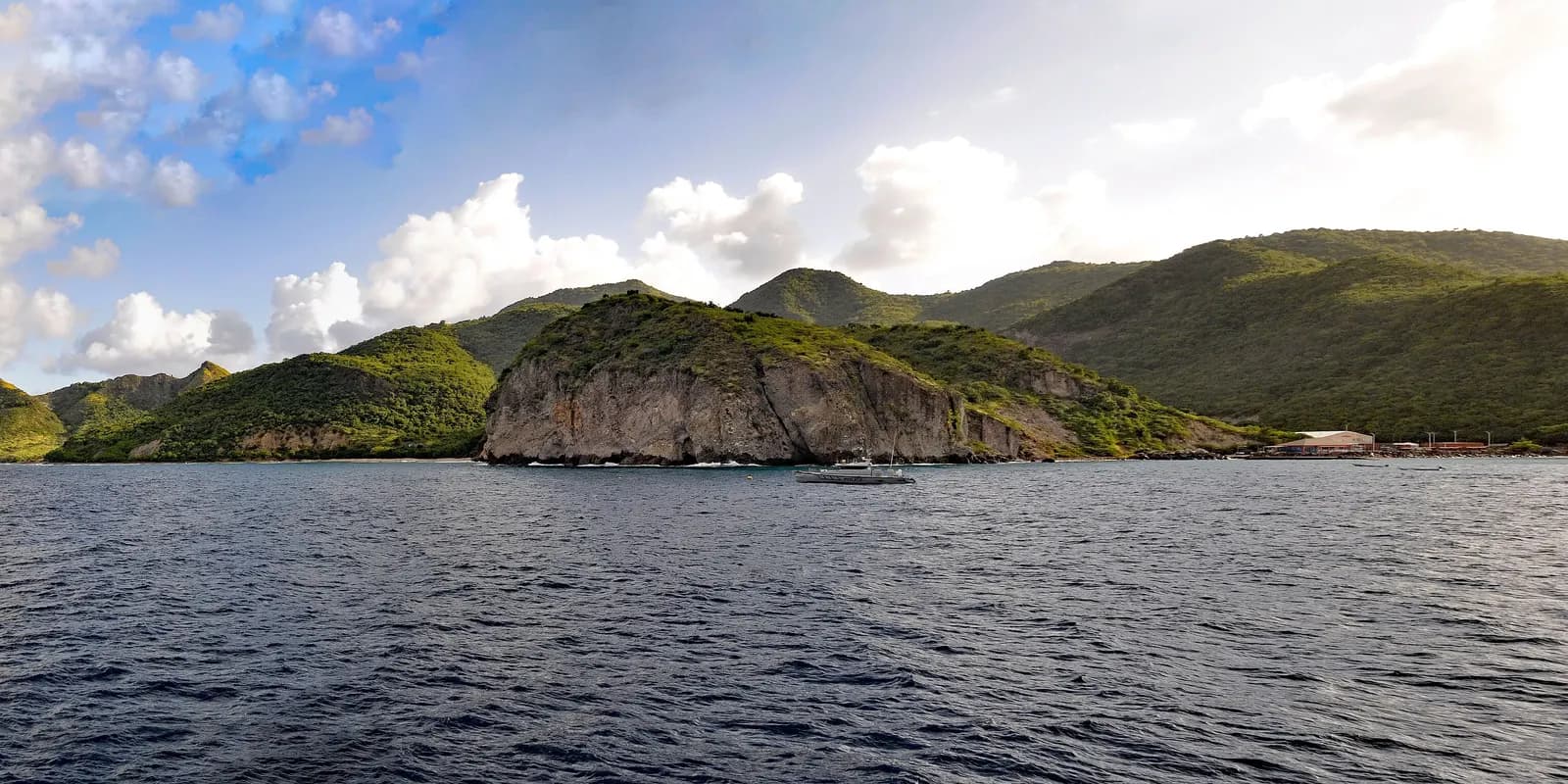
Montserrat Nomad Visa
- Income
- More than EC$189,000 (US$70,000) a year, earned outside Montserrat
- Stay
- Up to 12 months; renewable for further periods of up to 12 months