Serbia Nomad Visa
Serbia has no dedicated digital nomad visa; remote workers who want to stay longer than 90 days usually register a business in Serbia and apply for a single residence and work permit on a self-employment basis, valid for up to three years, and Nigerians need a visa D first.
Note: Serbia has no digital nomad visa; remote workers rely on ordinary residence routes such as self-employment.
Last checked 25 October 2026
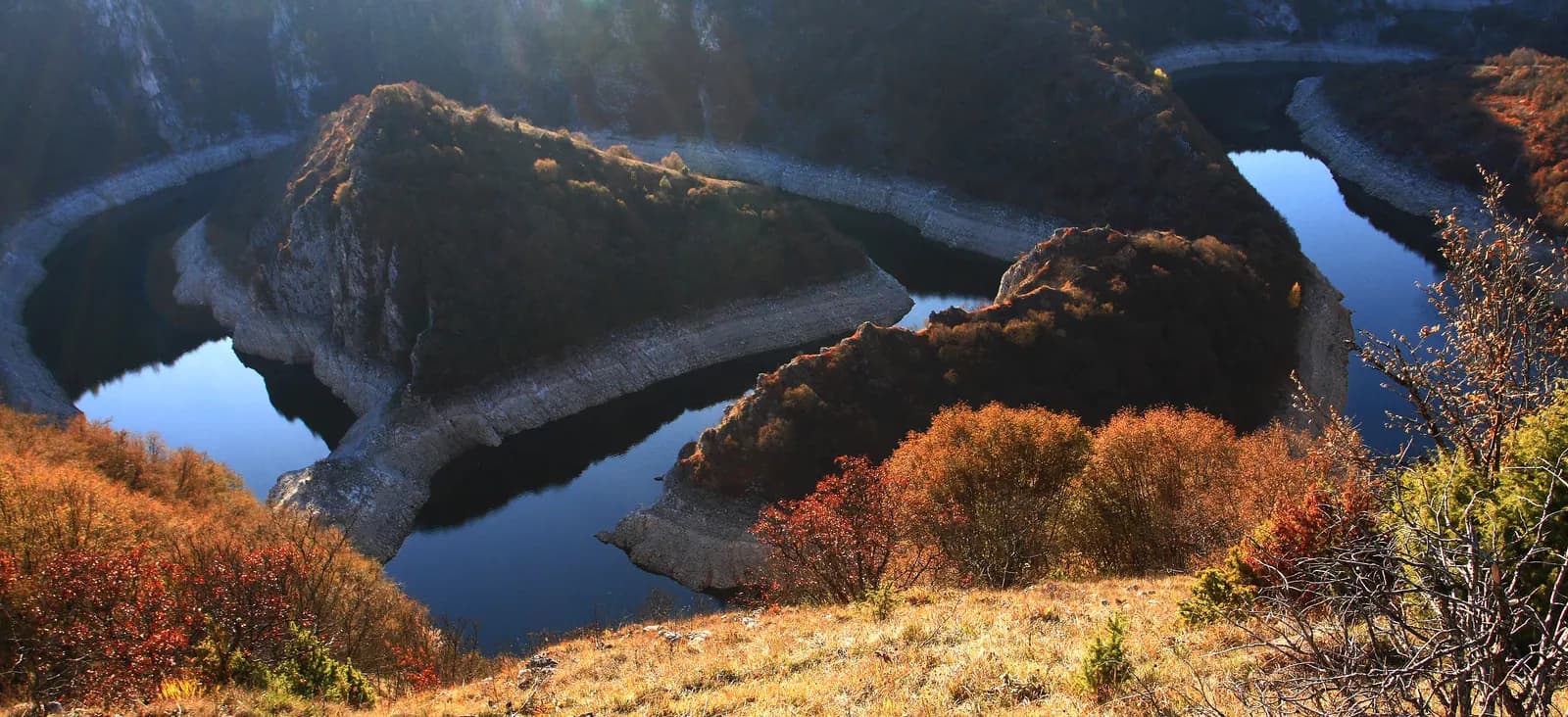
Photo: Srdjan Marincic, CC BY-SA 3.0, via Wikimedia Commons
Serbia nomad visa at a glance
- Official name
- No digital nomad visa; nearest route is visa D and single residence and work permit (self-employment)
- Income needed
- No nomad income threshold; varies by residence basis; check the official site
- How long
- Single permit up to 3 years (36 months), renewable
- Fees
- Not published on the official pages checked; check the official site
- Processing time
- Single permit decided within 15 days of a complete application; visa D not published
- Family
- Yes, through family reunification with a foreigner holding residence
- Tax
- Non-residents working in Serbia for foreign payers must self-assess income tax and contributions quarterly
- Where to apply
- Visa D at the Serbian embassy in Abuja or online on welcometoserbia.gov.rs; single permit online only
- Nigerian passport
- Nigerian ordinary passport holders need a visa for Serbia; apply at the Serbian embassy in Abuja or online at welcometoserbia.gov.rs. Nigerians holding a valid Schengen, UK, EU or US visa or residence permit can enter visa-free for up to 90 days in 180 days.
Rules change; confirm with the official site before you apply: Welcome to Serbia - Government of Serbia portal for foreign nationals.
Does Serbia have a digital nomad visa?
No. Serbia does not issue a visa or residence permit specifically for digital nomads. The government's portal for foreigners, Welcome to Serbia, has a page about digital nomads, but it describes life and coworking in Belgrade, Novi Sad and Niš rather than a visa.
Remote workers who want to stay longer than a short visit have to use one of the ordinary residence grounds in Serbia's Law on Foreigners. For most people working for clients abroad, the realistic one is self-employment: registering a business in Serbia and getting a residence and work permit through it. This is not a nomad visa, and it brings Serbian tax and social security obligations.
Who can use the self-employment route?
Anyone who registers as an entrepreneur or sets up a company in Serbia. The official portal says that running a business is a recognised purpose of residence, and that it falls under employment as "self-employment".
The portal is also blunt that registering a company does not guarantee a visa or permit. It advises getting legal support and having an authorised person in Serbia who can handle your obligations if your application is refused. Companies are registered with the Business Registers Agency.
Other bases for temporary residence include employment with a Serbian employer, study, family reunification and owning property in Serbia. These are not designed for remote workers either.
How much income do you need?
There is no published nomad income threshold, because there is no nomad visa. For the self-employment route, the documents you need depend on the basis of your stay, and the official portal sends applicants to its interactive guide for the exact list.
Some websites quote a specific annual income for a "Serbian nomad visa". We could not find any such figure on official Serbian sources, so treat those numbers with caution.
How long can you stay, and can you renew it?
Temporary residence and the single residence and work permit can be granted for up to three years at a time, depending on the reason for your stay and the evidence you provide. Recent amendments to the Law on Foreigners raised this from one year.
A visa D, which Nigerians need before applying for residence, allows a stay of 90 to 180 days. To stay longer on the same basis, you apply for a single permit while you are still legally in Serbia.
Extensions are filed no earlier than three months before, and no later than the day, your current permit expires. If you file on time, you can stay while the application is decided.
How much does it cost?
The Serbian pages we checked do not publish the fees for a visa D or the single permit, so check them with the embassy or on welcometoserbia.gov.rs before you apply.
Budget separately for registering a business, an accountant, and monthly social security contributions once you are self-employed.
What documents do you need?
For any visa, the Ministry of Foreign Affairs lists a completed form, a passport valid at least 90 days beyond your planned departure (with two blank pages, issued in the last 10 years), a 3.5 x 4.5 cm photo, the fee, proof of purpose, and travel medical insurance.
For a visa D you also submit the documents the Law on Foreigners requires for temporary residence on your chosen basis. For self-employment, that centres on your business registration certificate. Missions can ask for more, and incomplete applications are not accepted.
How do you apply from Nigeria?
Nigerians need a visa, so the usual order is visa D first, then the single permit inside Serbia:
- Secure ongoing remote income from abroad. Our remote jobs board lists roles open to people in Nigeria.
- Get advice on registering as an entrepreneur or setting up a company in Serbia, and on the tax that follows.
- Register the business with the Business Registers Agency.
- Apply for a visa D on the basis of self-employment at the Embassy of Serbia in Abuja, or online on welcometoserbia.gov.rs, which requires an account on Serbia's eID portal.
- Travel to Serbia. Your landlord or hotel must register your stay with the police within 24 hours of arrival.
- Before the visa D expires, apply online for the single residence and work permit for up to three years.
If you want a programme built for remote workers, nearby options include Montenegro, Croatia and Hungary. Our Premium membership includes nomad visa assistance.
How long does processing take?
The official portal says a properly completed single permit application is decided within 15 days of submission. Visa D processing times are not published, so allow extra time and check with the embassy in Abuja.
Do you pay tax in Serbia as a remote worker?
Yes, in most cases. The official portal says that a digital nomad who works in Serbia as a non-resident and is paid from abroad must calculate and pay income tax and social security contributions themselves, every quarter, with a return due within 30 days after each quarter ends. There are two ways to calculate the base, taxed at 20% or 10%.
If you register as an entrepreneur, income tax is 10% on profit or on a flat-rate basis set by the Tax Administration, plus pension, health and unemployment contributions. Serbia also has a 70% relief on tax and contributions for some newly settled employees of qualifying Serbian employers. This is general information, not tax advice.
Can you bring your family?
Yes. A spouse, partner or other family member of a foreigner with temporary residence can apply on the basis of family reunification. Adults granted residence this way automatically get the right to work in Serbia.
Children under 18 are covered by the public health insurance of an insured parent.
What to know before you move
- Time difference: Serbia uses Central European Time, the same as Lagos (UTC+1) in winter and one hour ahead in summer.
- Health insurance: public health insurance is compulsory for entrepreneurs, who pay their own monthly contributions. Private cover is available on top.
- Short visits: with a valid Schengen, UK, EU or US visa or residence permit, Nigerians can visit visa-free for up to 90 days in 180 days, but that does not allow you to settle.
- Banking: Serbian banks offer accounts to both residents and non-residents, and the official portal explains the rules for moving money in and out.
Official source
Welcome to Serbia - Government of Serbia portal for foreign nationals. We last checked this page against it on 25 October 2026. Visa rules, fees and income thresholds change, sometimes without notice. Confirm every figure with the official site before you apply or pay.
Serbia nomad visa: common questions
Can Nigerians apply for the Serbia digital nomad visa?
Do Nigerians need a visa for Serbia?
Where do Nigerians apply for a Serbian visa?
How long can I stay in Serbia on a residence permit?
Do I pay tax in Serbia if I work remotely for a foreign company?
Is registering a company in Serbia enough to get residence?
Other nomad visas in Europe
All countries
Europe
Croatia Nomad Visa
- Income
- €3,622.50 a month (2.5 × previous year's average net salary), or €43,470 in the bank for 12 months / €65,205 for 18 months; +10% of the average net salary per family member
- Stay
- Up to 18 months; one extension of up to 6 months possible
Europe
Cyprus Nomad Visa
- Income
- €3,500 a month net, after tax and contributions; +20% for a spouse or partner, +15% per child
- Stay
- 1 year, renewable for up to 2 more years
 Not open to Nigerian passports
Europe
Czechia Nomad Visa
- Income
- 1.5 × the Czech average gross salary set by the Ministry of Labour (no fixed figure on the programme page)
- Stay
- Long-term visa up to 1 year, then a long-term residence permit