Mauritius Nomad Visa
The Mauritius Premium Visa is a free, renewable visa of up to one year for remote workers, retirees and long-stay visitors whose income comes from outside Mauritius, with a minimum of US$1,500 a month per adult and US$500 per dependent child.
Last checked 25 October 2026
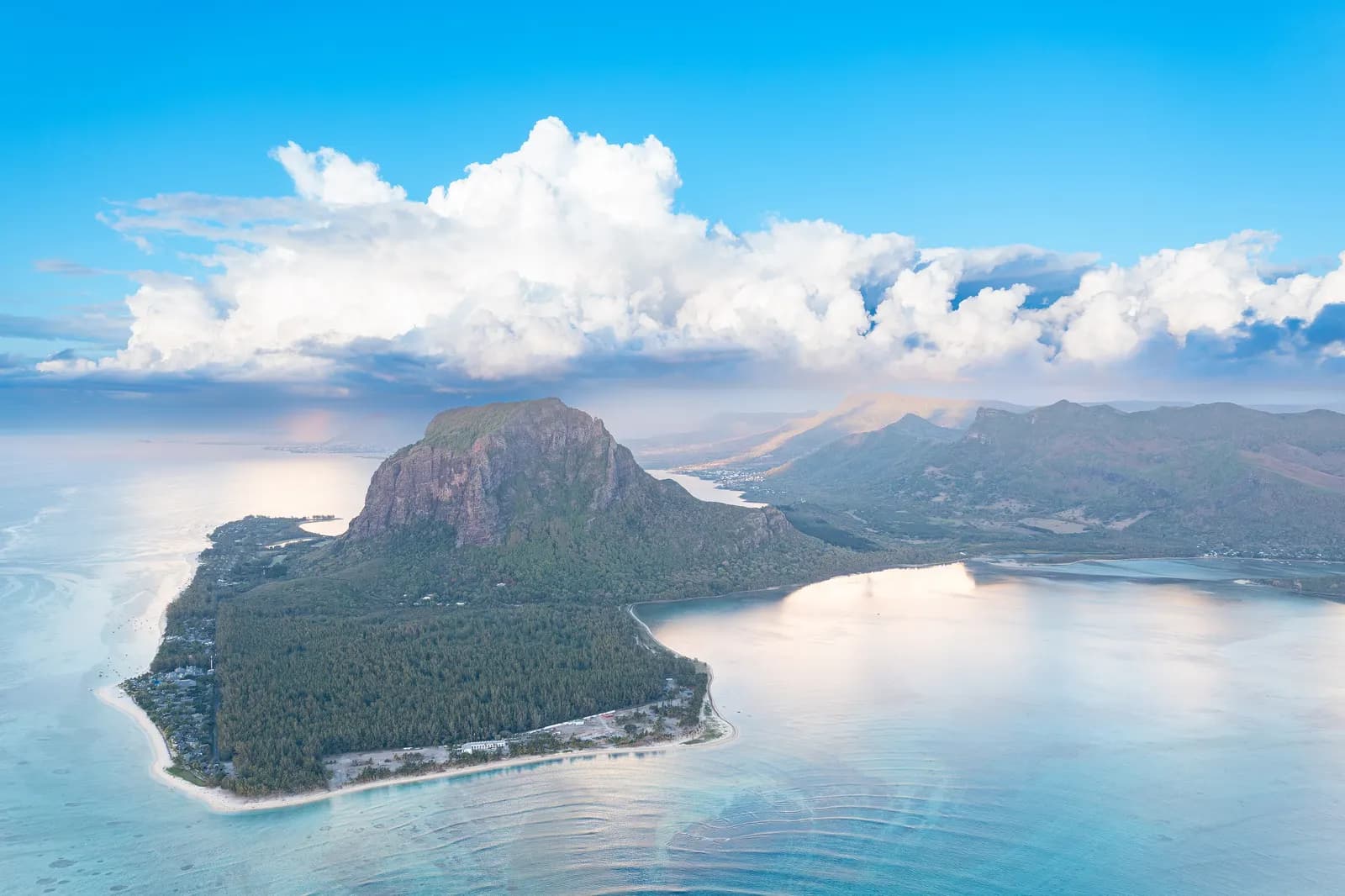
Photo: dronepicr, CC BY 2.0, via Wikimedia Commons
Mauritius nomad visa at a glance
- Official name
- Premium Visa
- Income needed
- US$1,500 a month per adult applicant, plus US$500 a month per dependent child
- How long
- More than 6 months up to 1 year, renewable
- Fees
- Free (no processing fee)
- Processing time
- Not published
- Family
- Yes: spouse and children
- Tax
- Remote-work income taxed on a remittance basis; resident after 183 days in an income year
- Where to apply
- Online through the Economic Development Board portal; Nigerians apply after arriving in Mauritius
- Nigerian passport
- Nigerian passport holders are listed for a two-week visa on arrival in Mauritius. Nigeria is not on the list of nationalities that can apply for the Premium Visa before travelling, so Nigerians enter as visitors and apply online from inside Mauritius.
Rules change; confirm with the official site before you apply: Economic Development Board Mauritius.
What is the Mauritius digital nomad visa?
Mauritius does not use the term "digital nomad visa". Its route for remote workers is the Premium Visa, run by the Economic Development Board (EDB) with the Passport and Immigration Office. It lets a non-citizen stay in Mauritius for more than six months and up to one year, and it can be renewed.
The visa covers three kinds of long-stay visitor: tourists, retirees, and professionals who want to work remotely from Mauritius, alone or with their family. It is a multiple-entry visa, so you can leave and come back while it is valid.
According to the EDB, you need a Premium Visa if you plan to spend more than 180 days in Mauritius in a calendar year. Shorter stays fall under the ordinary tourist visa.
Who can apply for the Mauritius digital nomad visa?
Any non-citizen can apply if they meet the conditions, which are:
- You will not enter the Mauritian labour market.
- Your main place of business, and your income and profits, are outside Mauritius.
- You can show your long-stay plans, such as the purpose of your visit and where you will live.
- You have travel and health insurance for the initial stay.
- You meet the other basic immigration requirements.
Employees of foreign companies, freelancers with overseas clients and owners of businesses based abroad all fit, as long as the money is earned outside Mauritius.
Nationality affects where you apply from, not whether you can apply. The EDB publishes a list of 114 countries whose citizens can apply before they travel. Everyone else, Nigerians included, must enter Mauritius on a tourist visa and submit the Premium Visa application online during that stay.
How much income do you need for the Mauritius digital nomad visa?
You need a minimum of US$1,500 a month for each adult applicant, plus US$500 a month for each dependent child. The French version of the EDB guidance describes dependent children as those under 24.
You prove this with bank statements for the last three months and evidence of monthly income, such as an employment contract or a letter confirming your monthly earnings.
How long can you stay, and can you renew it?
The Premium Visa runs for up to one year and is renewable. If you apply from abroad, the year starts on the day you arrive, and the visa stays valid for travel for six months after it is issued.
If you apply from inside Mauritius on a tourist visa, the length of the Premium Visa is matched to your health insurance and return ticket, both of which must cover more than six months. Renewal uses the same online form and most of the same documents.
If you later want to work for a Mauritian company, invest or retire there, the EDB says Premium Visa holders can apply for an Occupation Permit or a Residence Permit.
How much does it cost?
The Premium Visa is free. Both the EDB and the Passport and Immigration Office state that there is no processing fee. Your costs are the flights, insurance and accommodation you need to show.
What documents do you need?
For a first application, the EDB checklist asks for:
- The online application form.
- The bio data page of your passport.
- A passport-size photo (first application only).
- An airline ticket that includes a return for your intended stay beyond six months.
- Travel and health insurance for the whole stay.
- Proof of accommodation: a hotel booking, a rental agreement, or a host's invitation letter with their proof of address and ID.
- Bank statements for the last three months and proof of monthly income.
- For a spouse, a marriage certificate; for children, birth certificates and, if only one parent is travelling, a consent letter. These must be in English or French.
The office may ask for other documents. Anything in another language needs a certified English or French translation.
How do you apply from Nigeria?
Nigerians apply from inside Mauritius. The steps are:
- Line up remote income from outside Mauritius. If you are still looking, browse our remote jobs.
- Check the entry rules. The Passport and Immigration Office lists Nigerian nationals for a two-week visa on arrival, and the immigration officer at the airport makes the final decision on entry, so carry your return ticket, accommodation details and bank statements.
- Prepare your documents before you fly: six-plus months of insurance, a return ticket beyond six months, accommodation, three months of bank statements and your income proof.
- Arrive in Mauritius and submit the Premium Visa application online through the EDB portal linked from residency.mu.
- Watch your email. The Premium Visa is issued as an e-visa by email.
Apply early in your stay, because a two-week entry window is short. Contact the EDB at premiumvisa@edbmauritius.org if anything is unclear.
How long does processing take?
The EDB does not publish an official processing time. Some guides quote figures from a few days to two weeks, but these are not government numbers.
Do you pay tax in Mauritius on a digital nomad visa?
The EDB says income a Premium Visa holder earns for work done remotely from Mauritius is taxed on a remittance basis. Money you spend in Mauritius with a foreign debit or credit card is not treated as remitted.
Money you bring in and deposit into a Mauritian bank account is liable to income tax, but it is not taxed if you declare that tax on it has already been paid in your country of origin or residence. The Mauritius Revenue Authority treats someone present for 183 days or more in an income year, or 270 days across that year and the two before it, as resident. This is general information, not tax advice.
Can you bring your family?
Yes. A spouse and children can be included, with a marriage certificate and birth certificates in English or French. The income rule rises by US$500 a month for each dependent child.
What to know before you move
- Time difference: Mauritius is on UTC+4, three hours ahead of Lagos. A 2pm Lagos call is at 5pm in Mauritius.
- Getting paid: keep your income paid from abroad. Card spending from a foreign account is not treated as a remittance, while deposits into a Mauritian bank account can be.
- Insurance: travel and health insurance for the whole stay is a requirement, not an option.
- Housing: a hotel booking or rental agreement covering your stay is part of the application. Foreigners can also buy property only under specific schemes, such as the Integrated Resort Scheme or apartments in buildings of at least ground plus two floors.
If you want help with the paperwork, Premium membership includes nomad visa assistance. Comparing options in Africa? See Cape Verde and Seychelles.
Official source
Economic Development Board Mauritius. We last checked this page against it on 25 October 2026. Visa rules, fees and income thresholds change, sometimes without notice. Confirm every figure with the official site before you apply or pay.
Mauritius nomad visa: common questions
Can Nigerians apply for the Mauritius digital nomad visa?
Other nomad visas to compare
All countries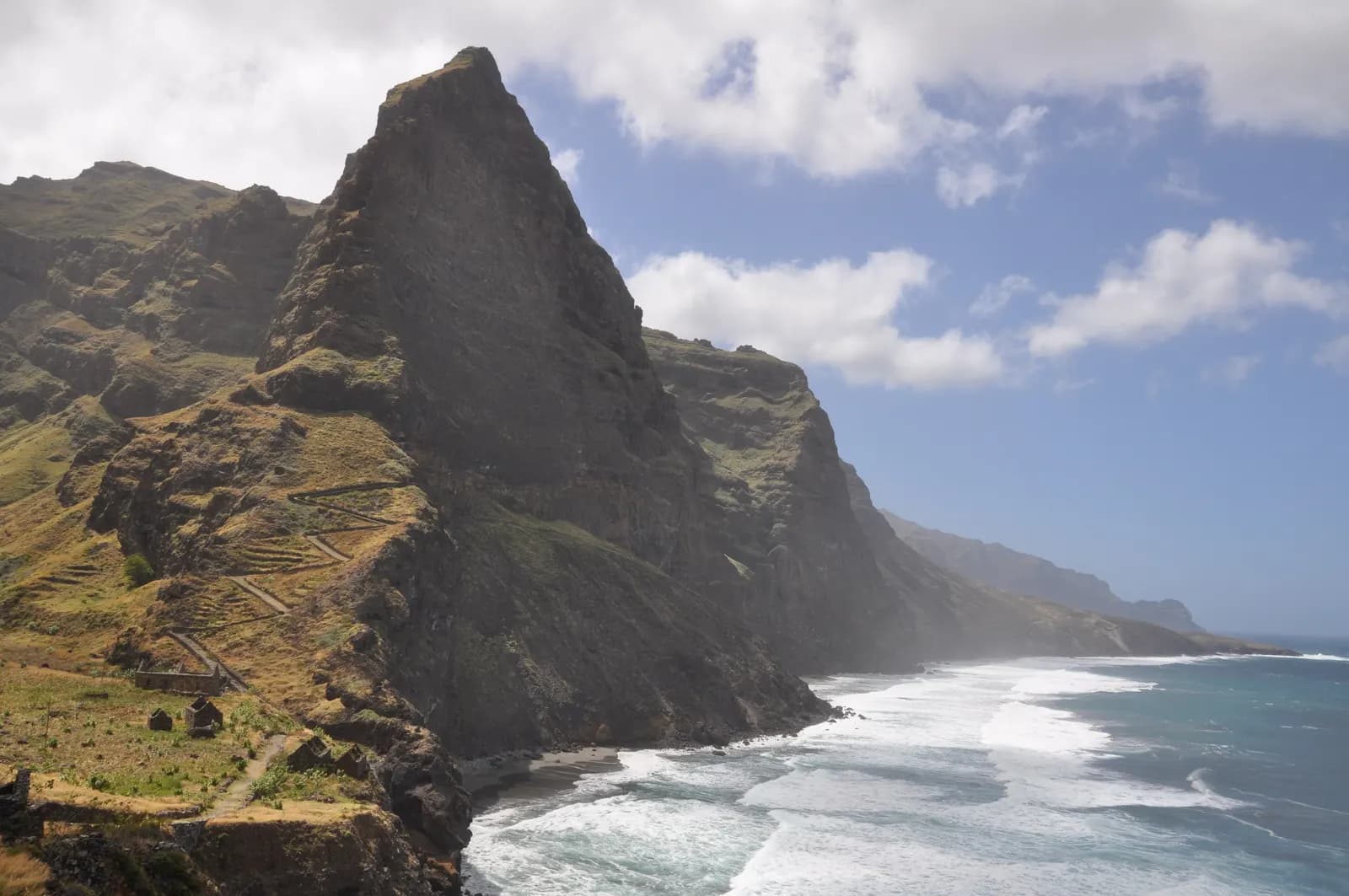
Africa
Cape Verde Nomad Visa
- Income
- Average bank balance of €1,500 over the last 6 months (€2,700 for a family)
- Stay
- 6 months, renewable once for another 6 months
 Paused
Africa
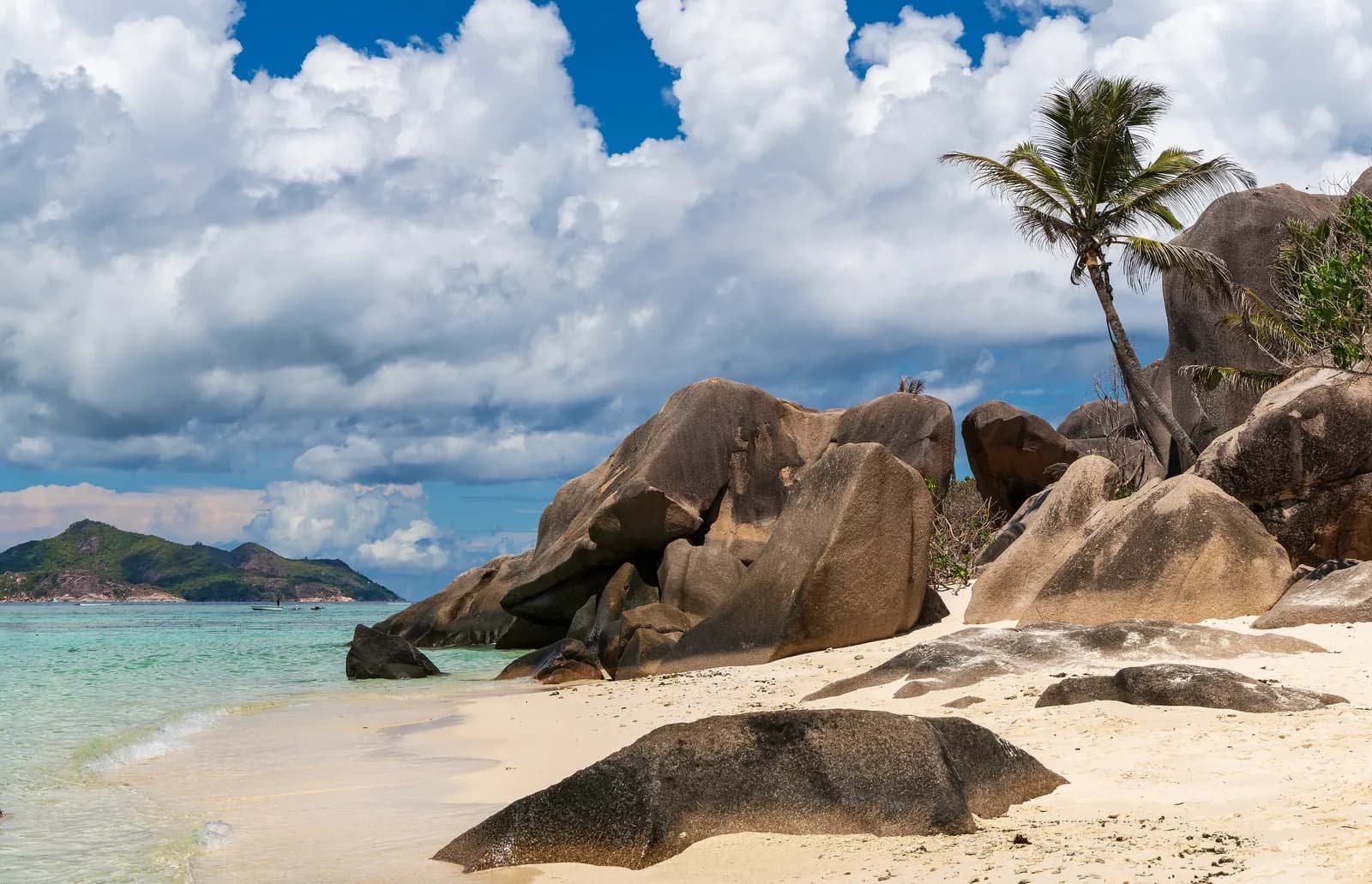
Seychelles Nomad Visa
The Seychelles Workcation Programme, which let remote workers with income from abroad stay for up to a year, is not taking applications: the option is switched off on the official e-Border portal, and ordinary visitor permits run up to 12 months.
Caribbean
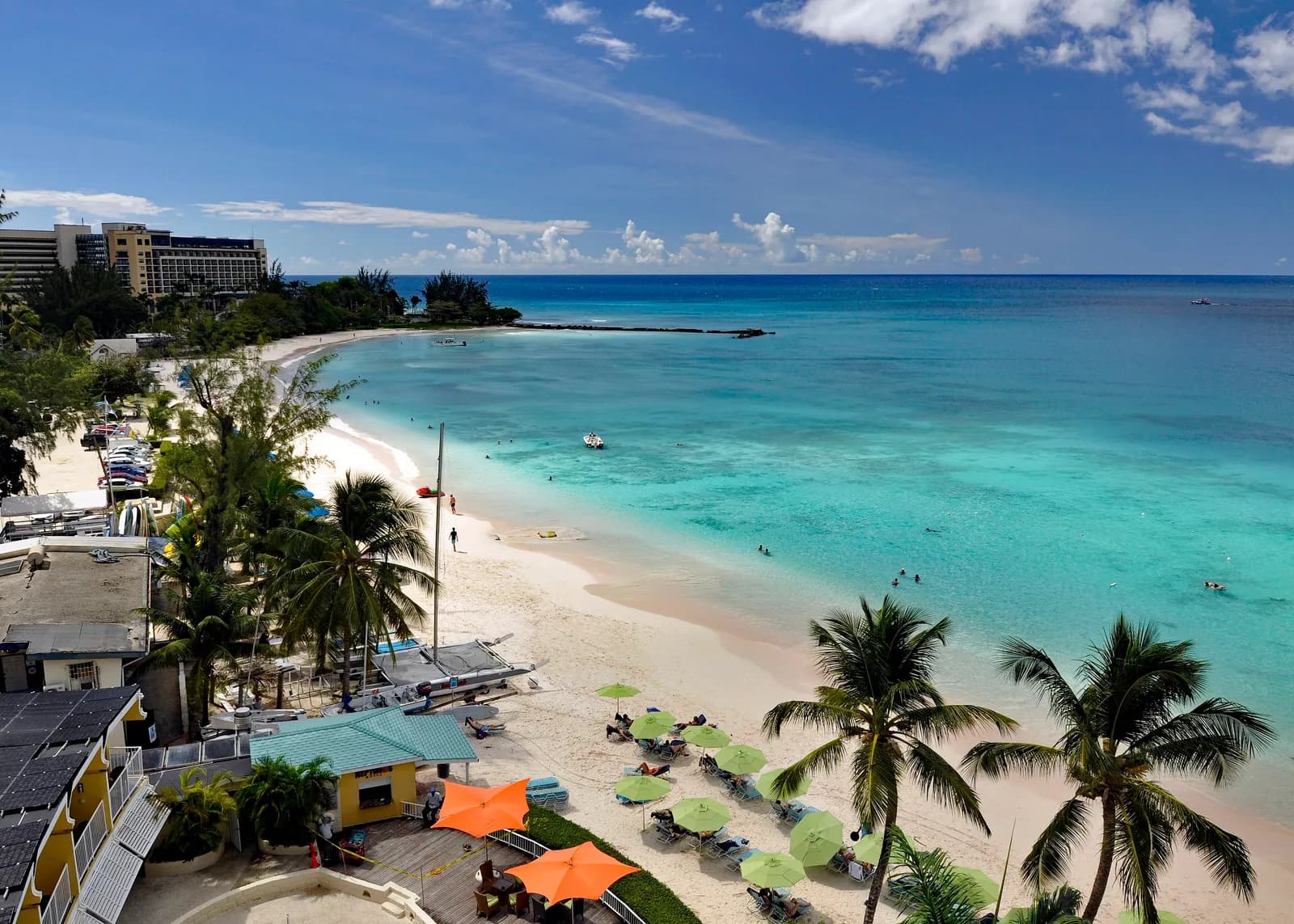
Barbados Nomad Visa
- Income
- US$50,000 expected over the 12 months
- Stay
- 12 months; you can apply again (renewal form available)